In photos - An RCMP lead multi-agency exercise not only continued to focus on communications between agencies in times of a crisis, but upped the ante as the teams focused on a HAZMAT scenario with bite!
The scenario - Police were called to a home after a 911 call where a spouse reported her husband became irate at her after finding a collection of questionable and concerning documents.
Confronting her husband, he became angry and rampaged from the home. RCMP responded to the home and learned that the husband is a worker in a chemical lab, and after reviewing the documents which appeared to contain ominous plans, RCMP put a plan in motion.
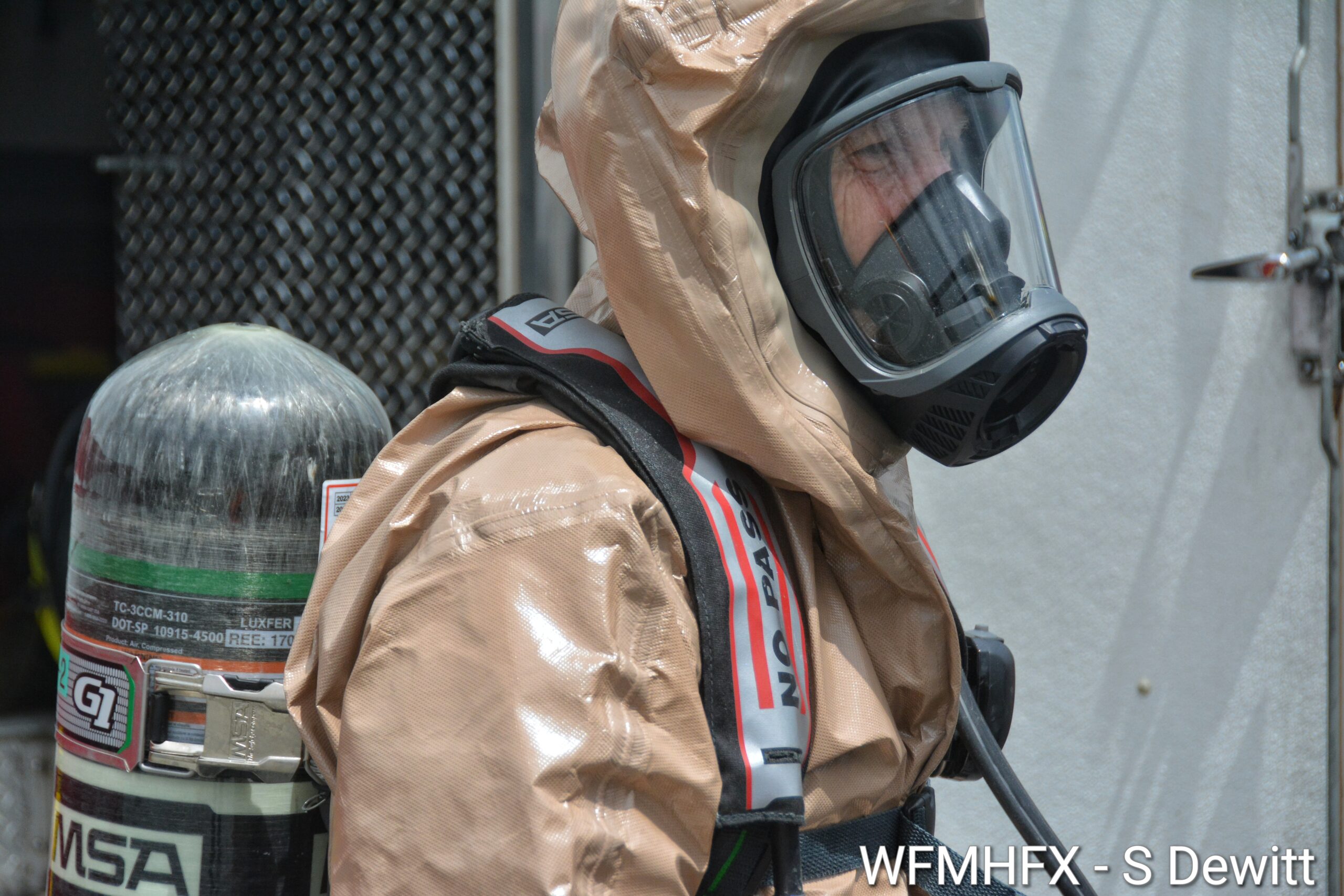
First, the RCMP contacted the lab. Supervisors said they deal with a wide variety of chemicals, and that the employee in question was secretive and had a private office in a unused part of the building.
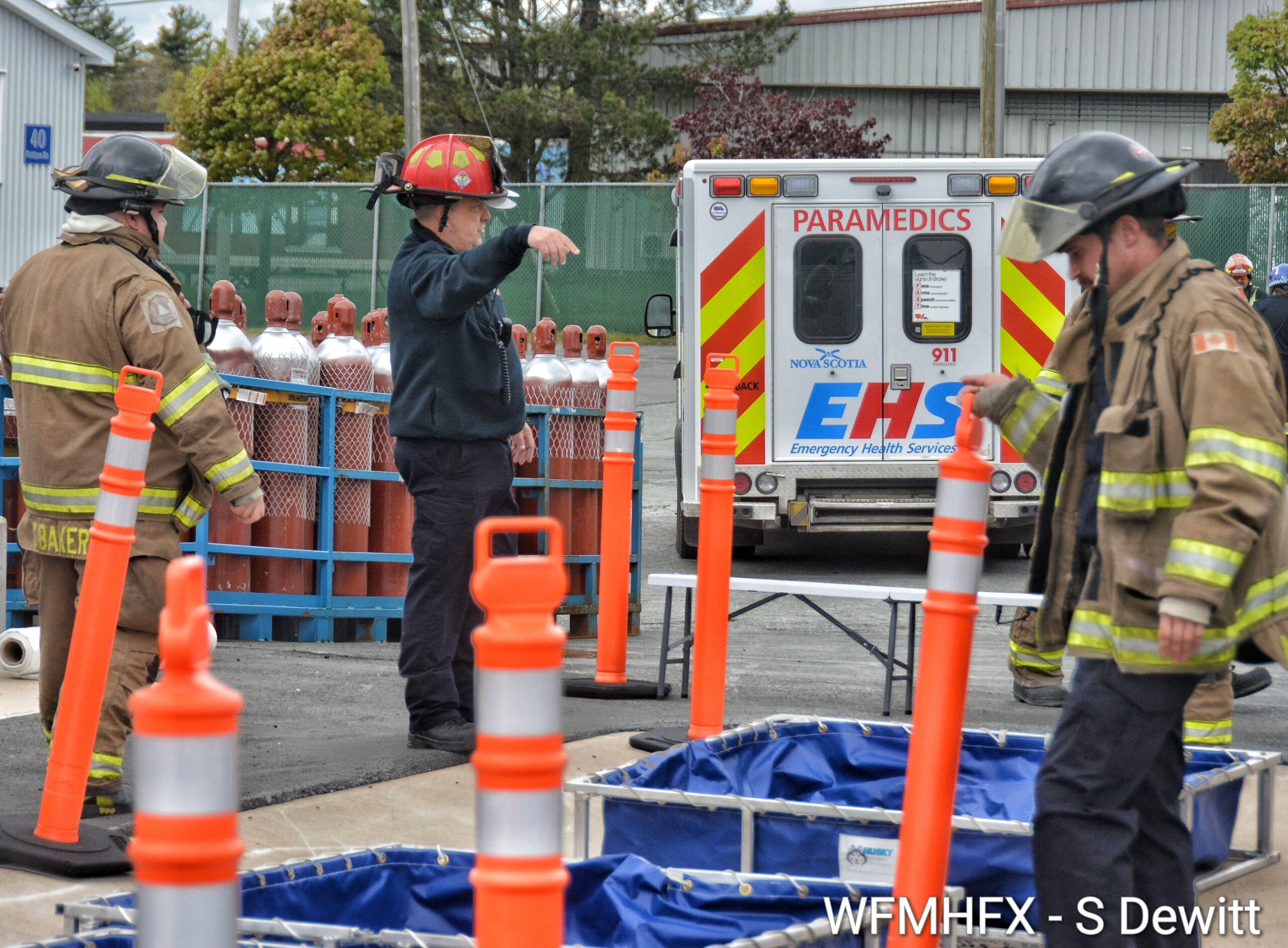
He was given plenty of space by employees as he was moody and quie The lab agrees to evacuate the building and allow RCMP to investigate.
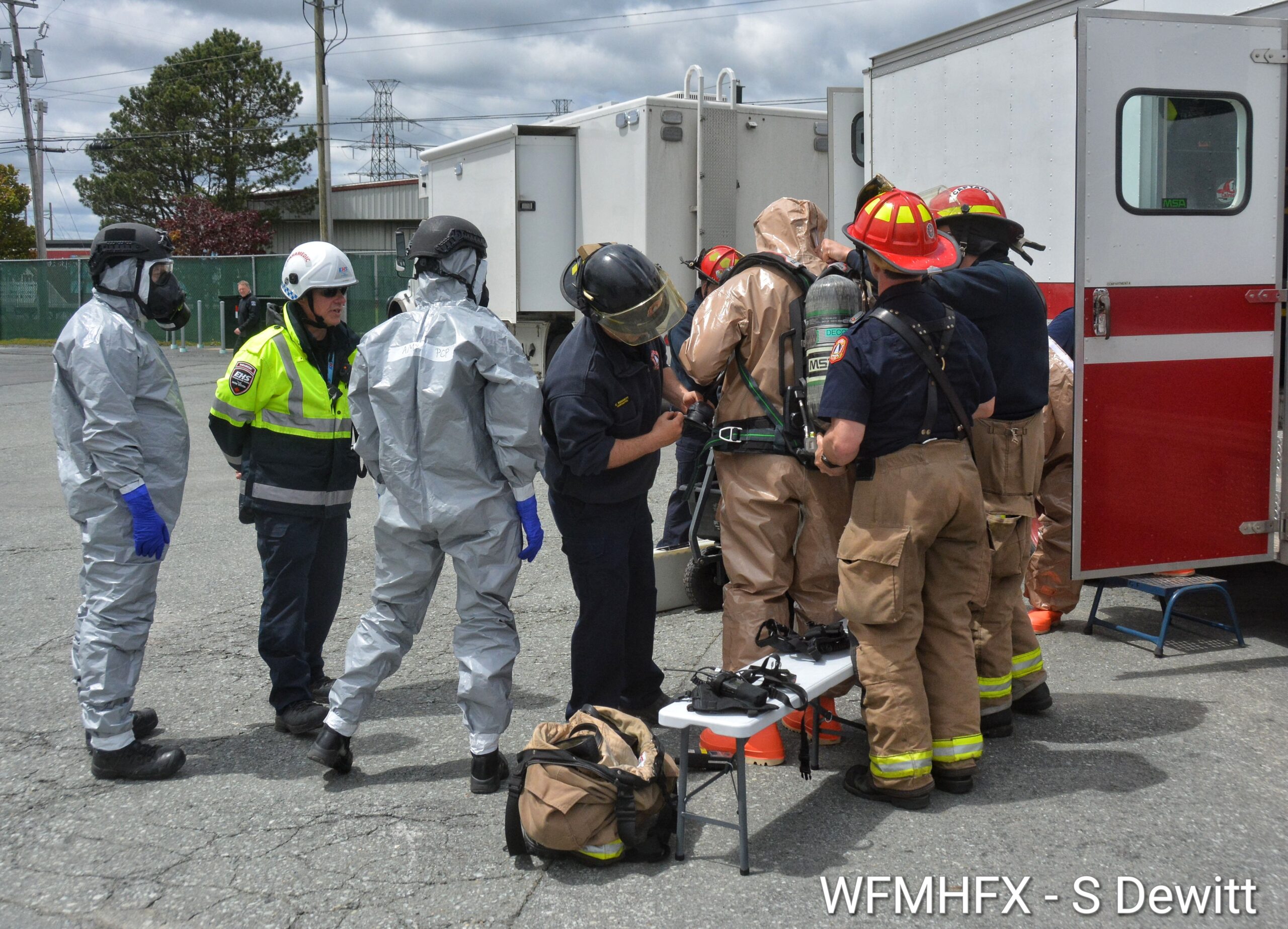
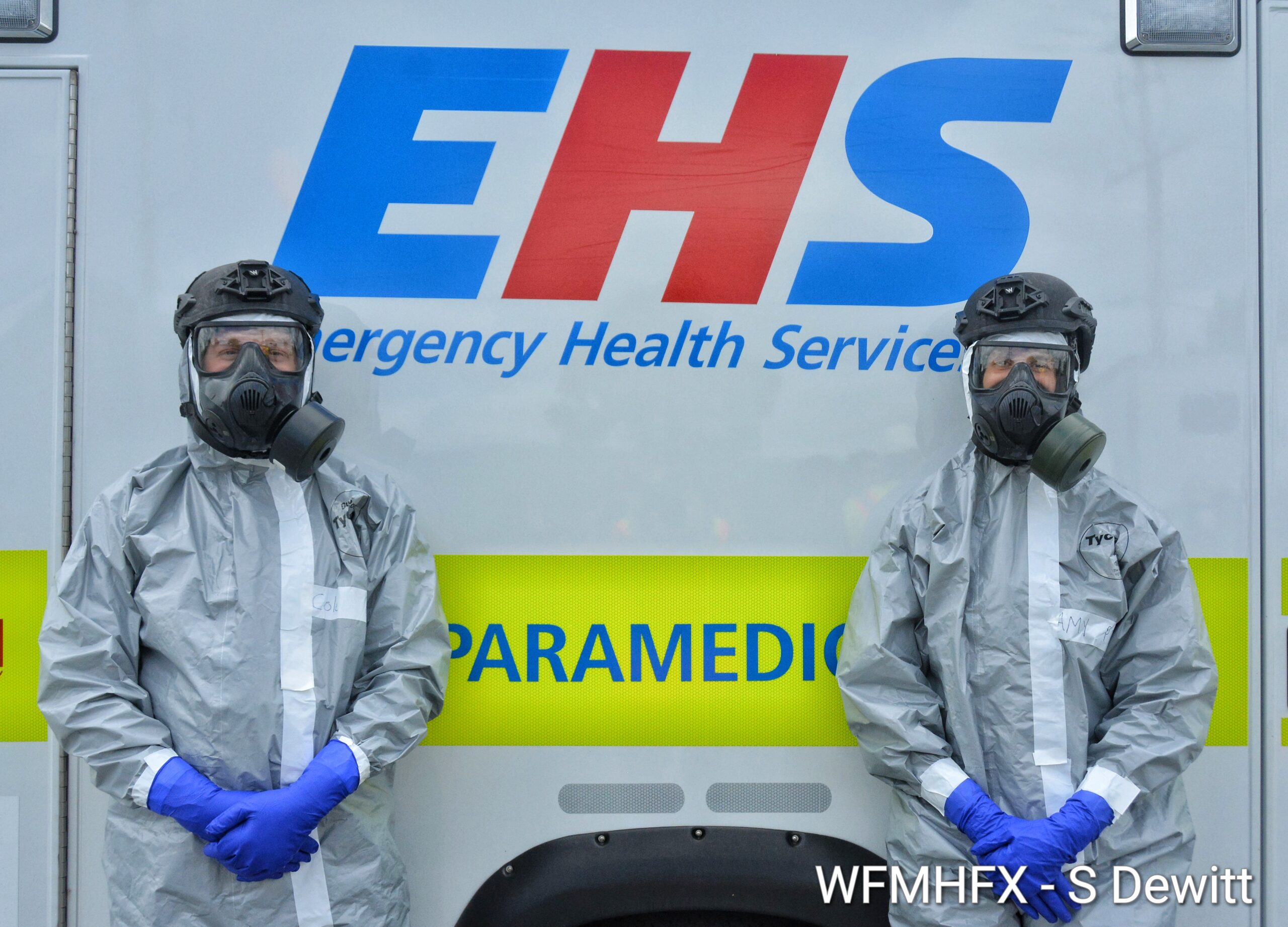
RCMP put together a plan, and with HRP and RCMP explosive teams scrambled to the scene, HRFE were called for HAZMAT containment with EHS and their EPSO team brought in.
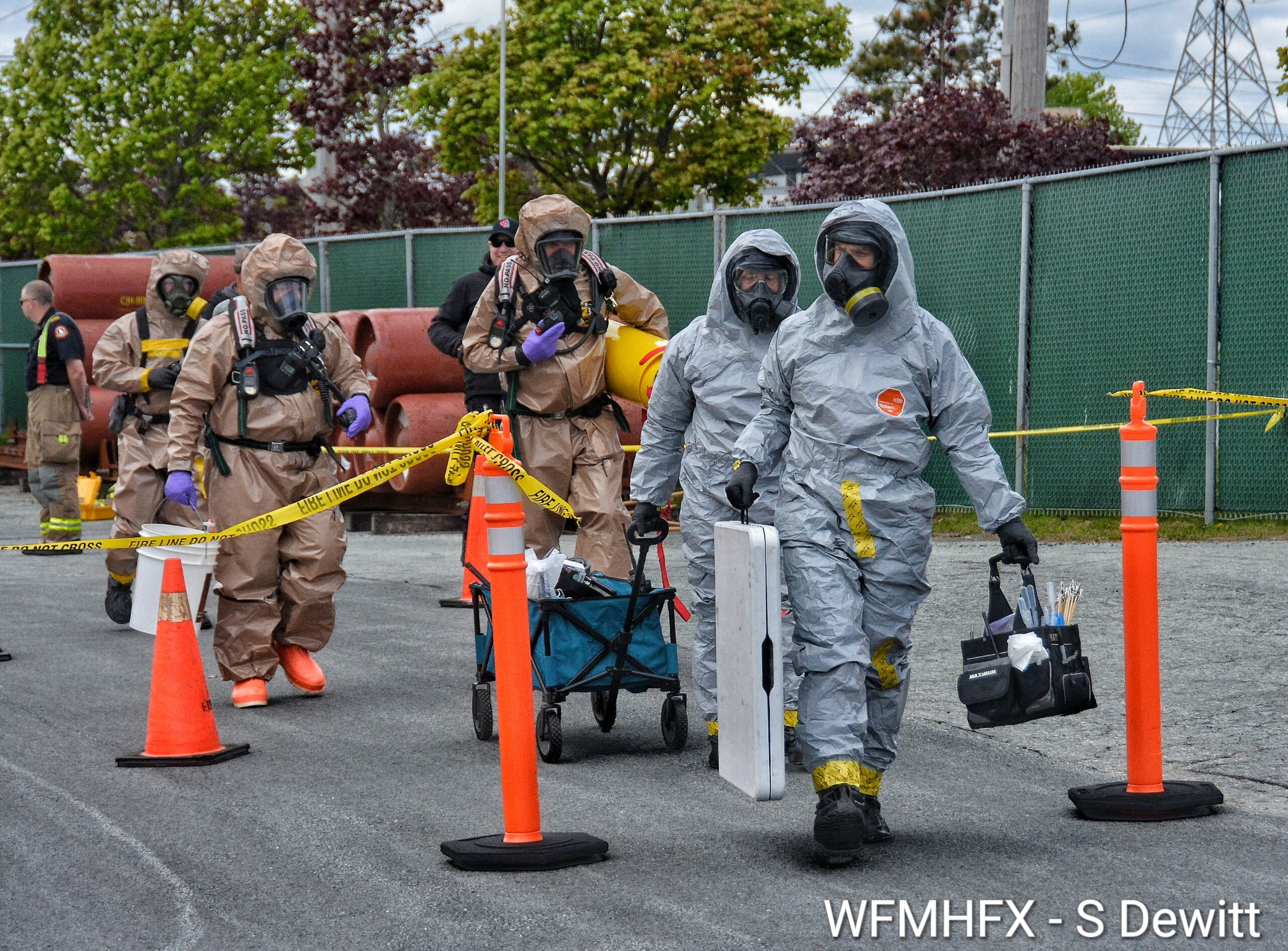
From the start, the teams are given basic info on scene and have to prepare for entry.
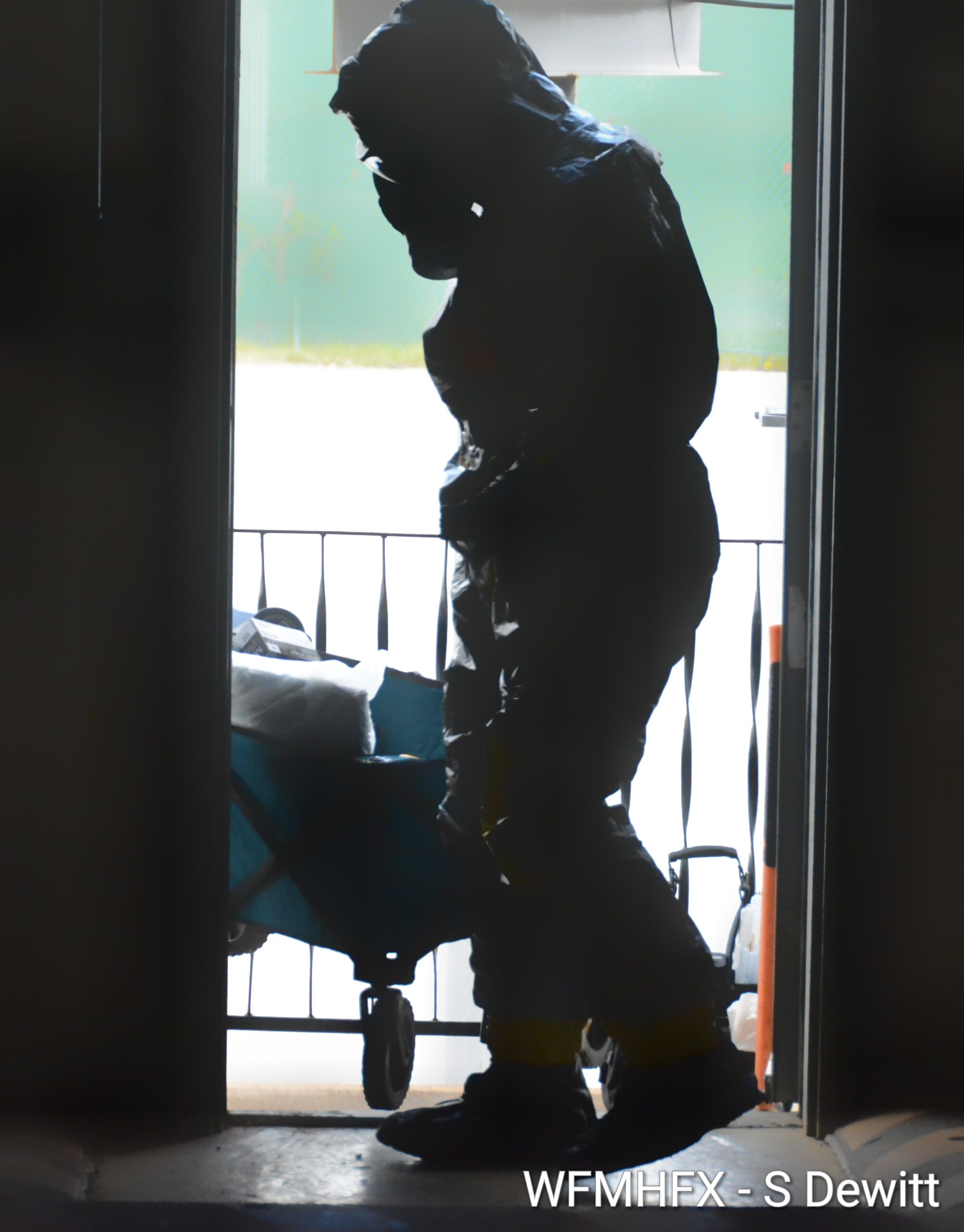
They do not know all the details, so extreme caution has to be top of mind. This includes setting up direct inter-agency communications. Fire crews establish a safe zone and set up a decontamination zone.
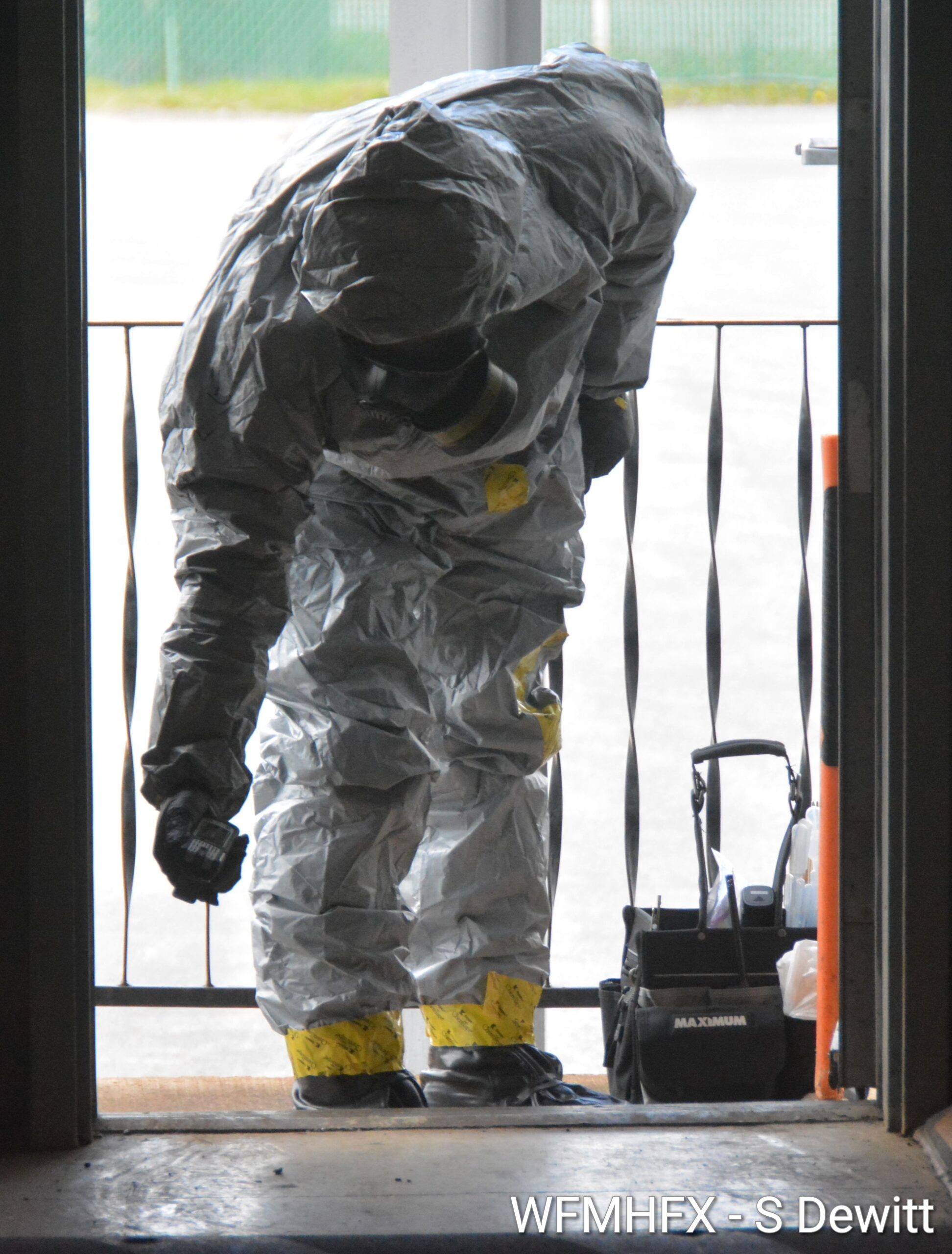
EHS and police begin to assemble teams who will enter the building with fire crews.
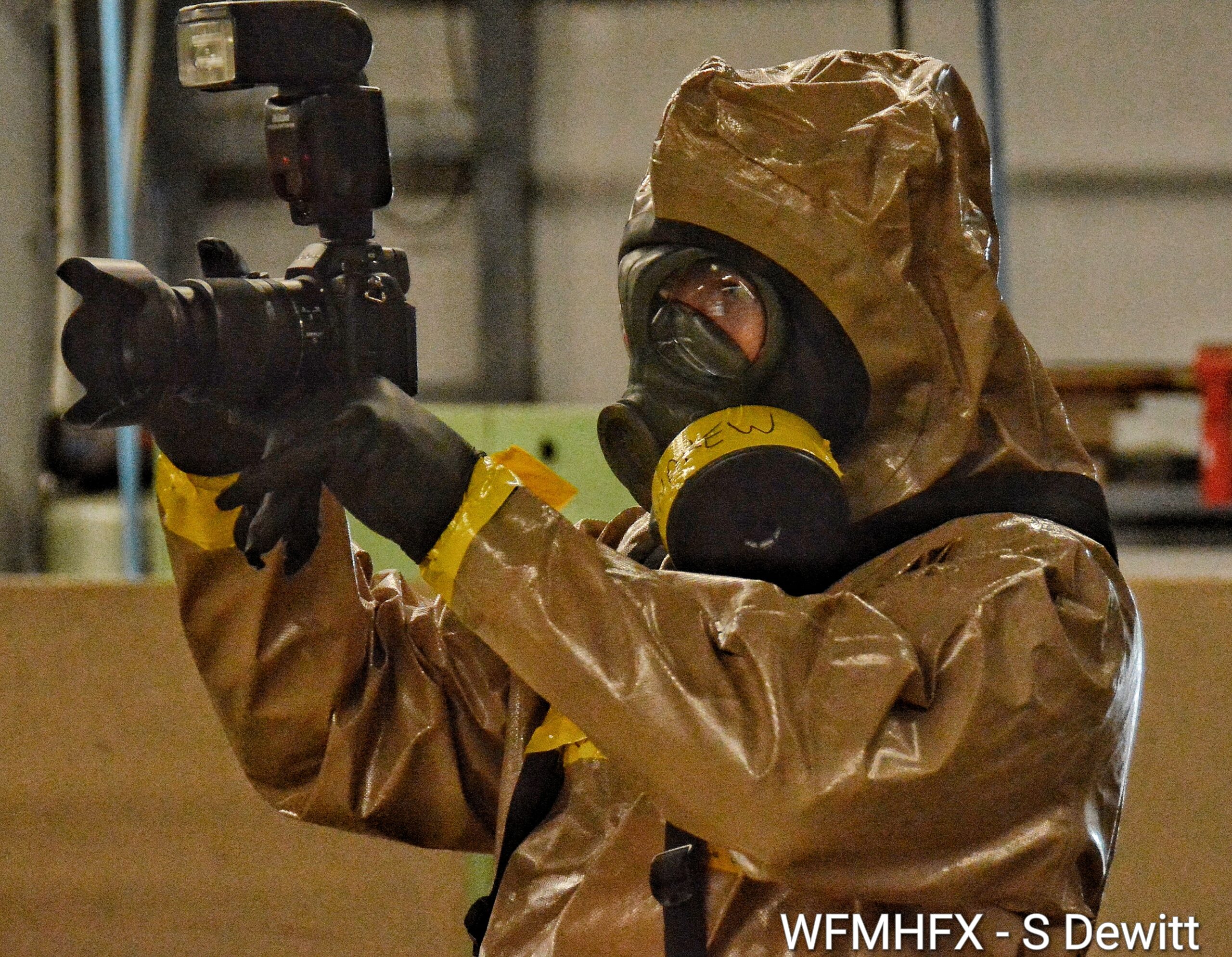
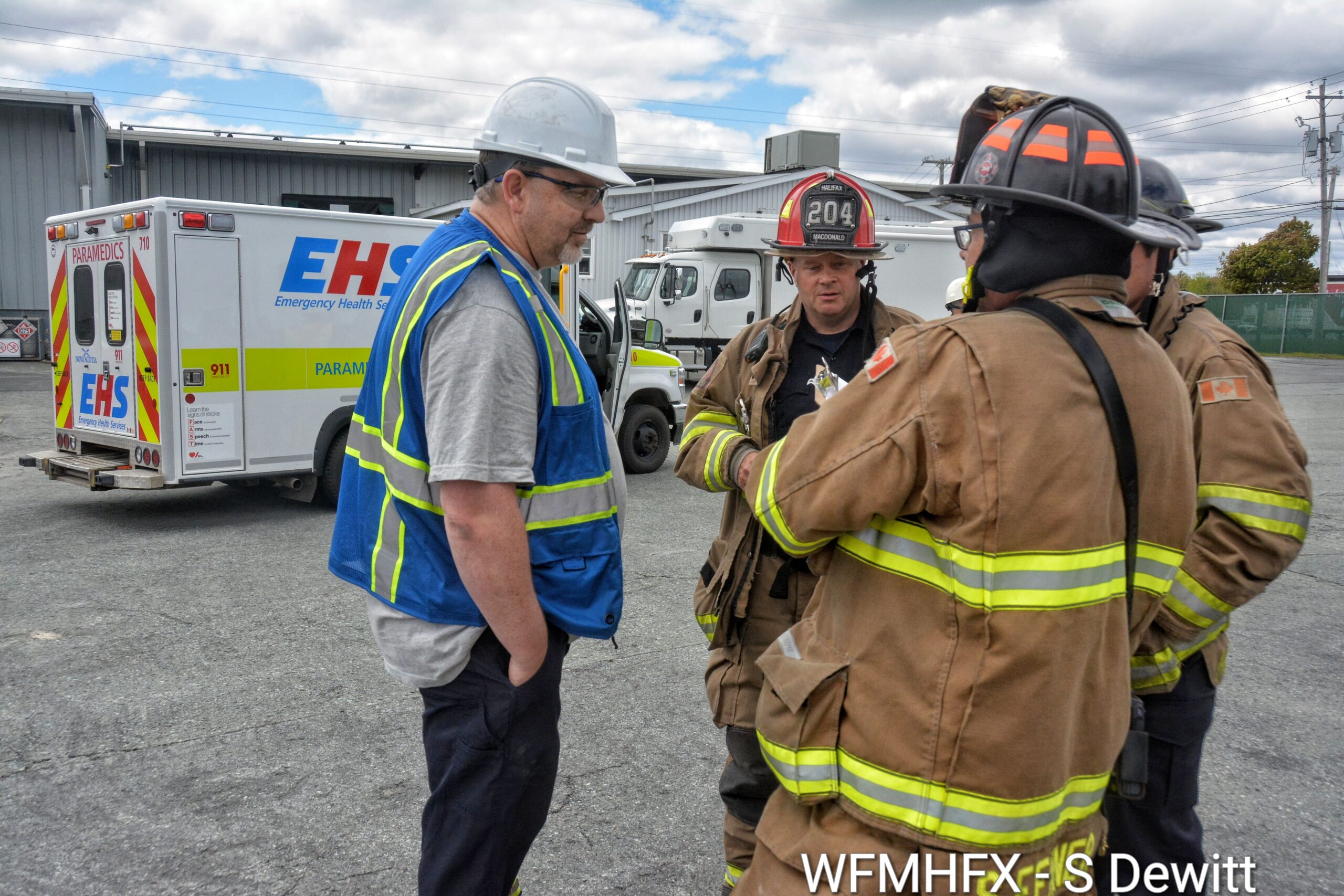
A big briefing is held with the agencies who discuss entry and significant investigative plans.
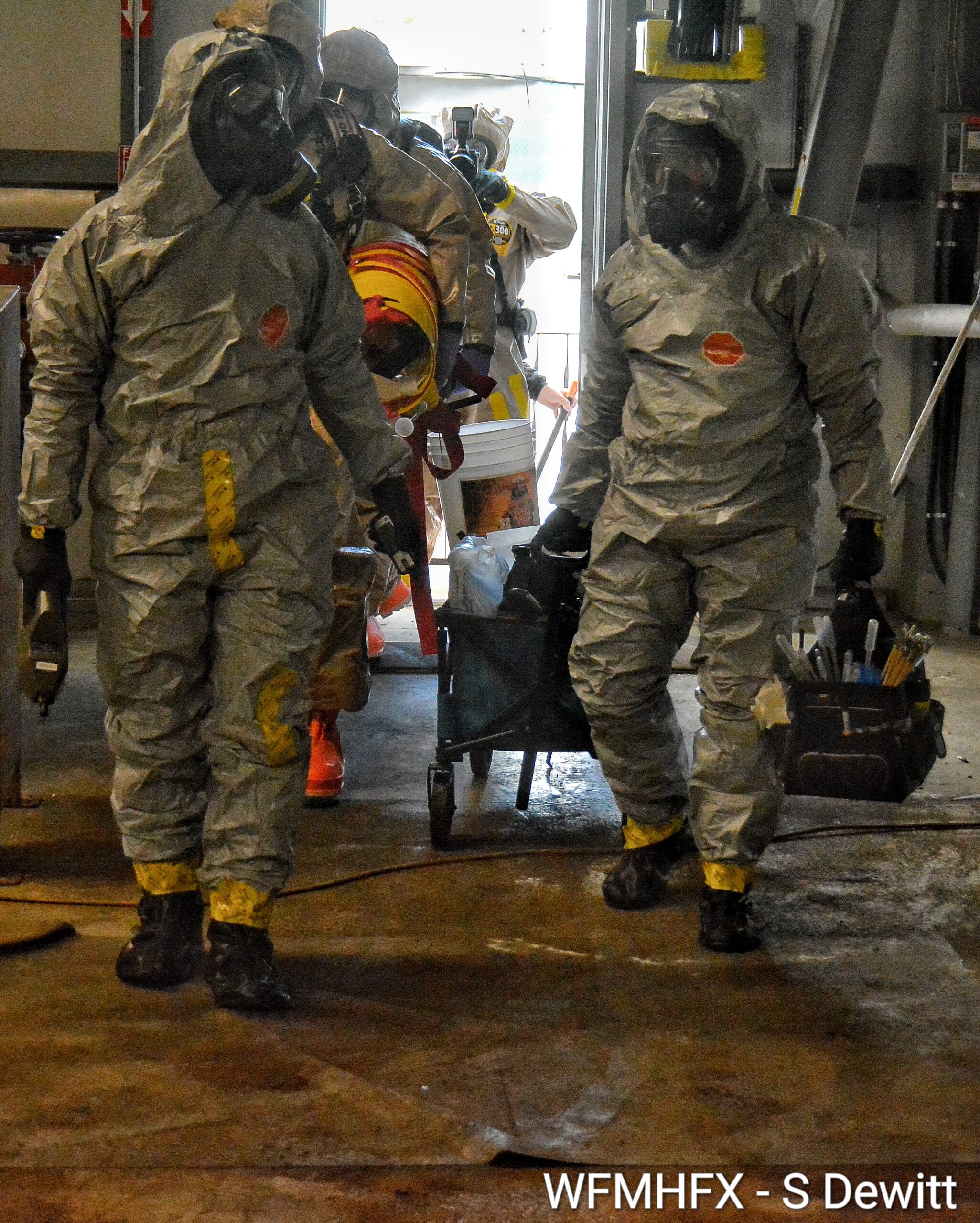
EHS will enter with crews in the case of finding any injured.
The decontamination process is verified through fire for all crews, gear, and victims who return from the building.
An entry team is formed and a variety of gear from both fire and EHS is taken in by the crew.
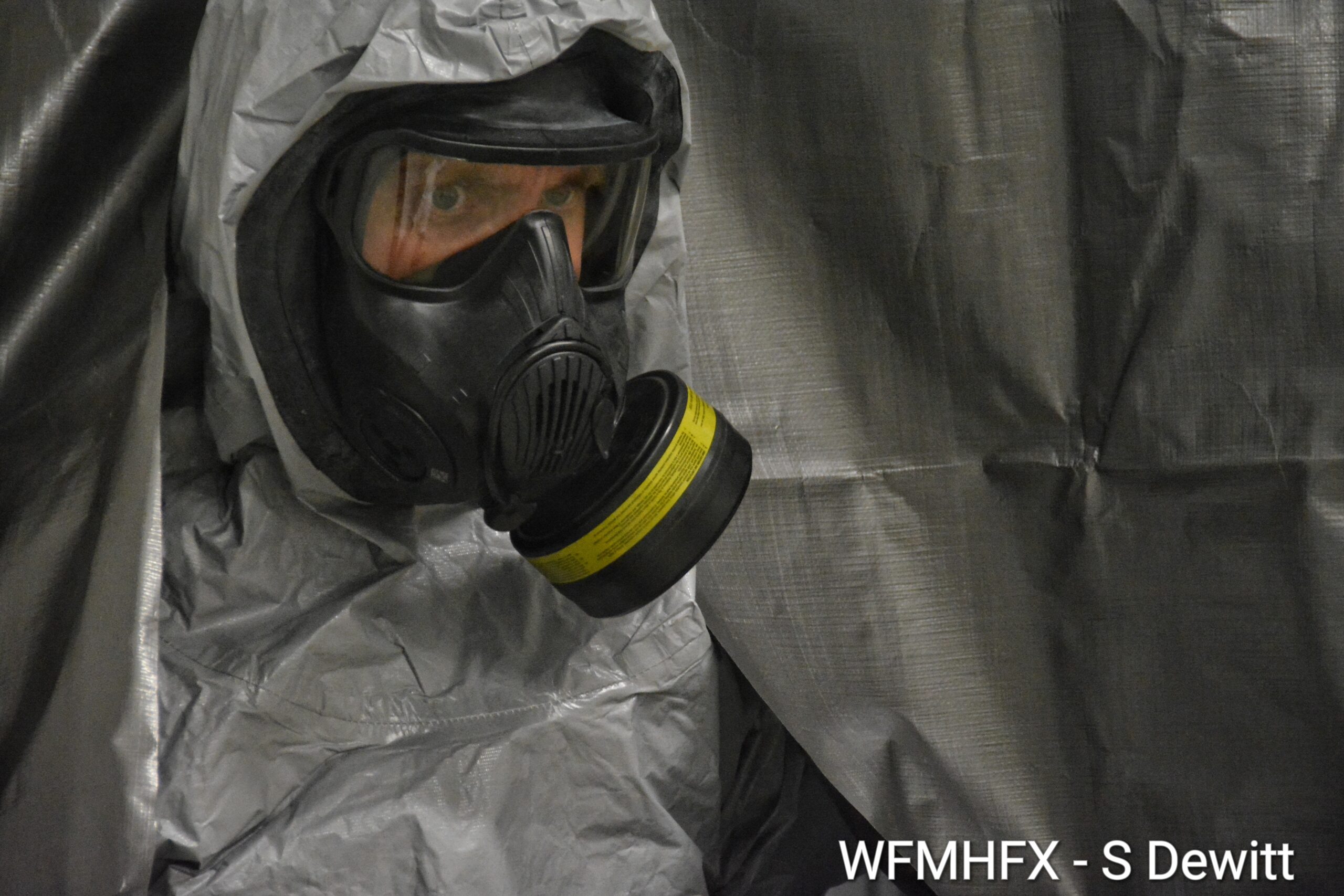
It is a slow process as there is risk that the disgruntled employee may have set traps, and there is too much unknown to rush the scene.

While inside, teams have to remain in constant communication with eachother.
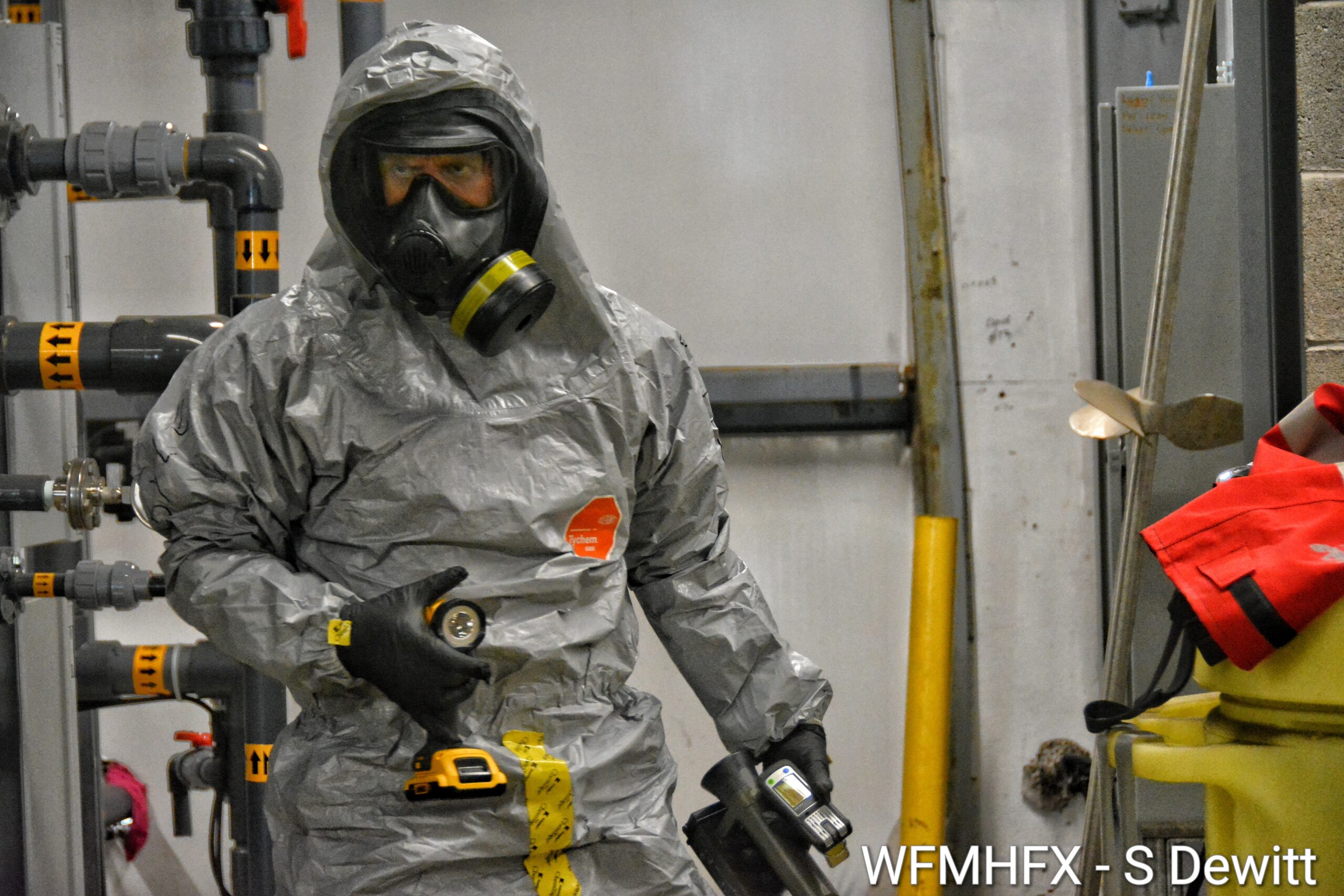
The crews make their way to the small private office of the employee and once again check for traps and chemical readings nearby.
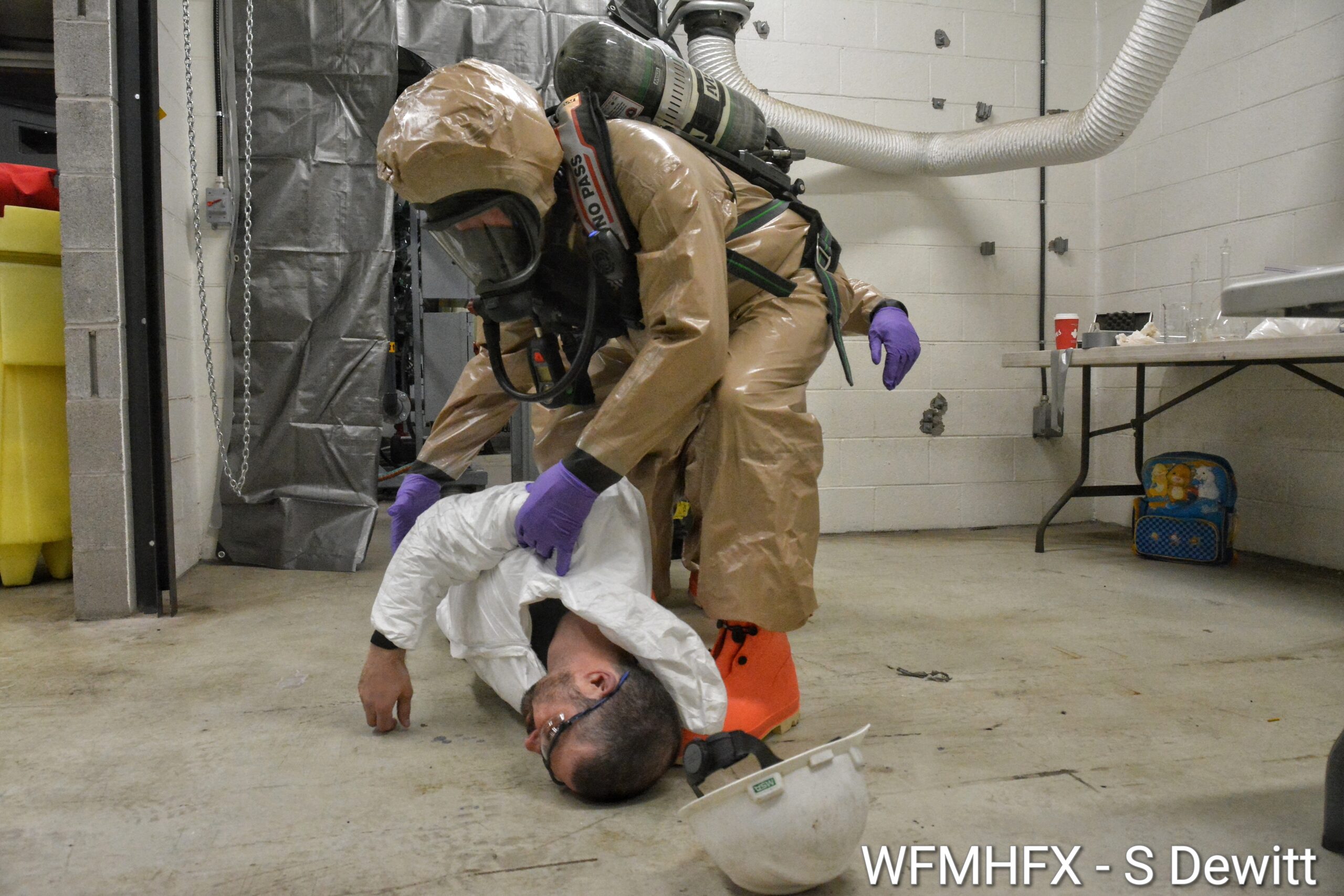
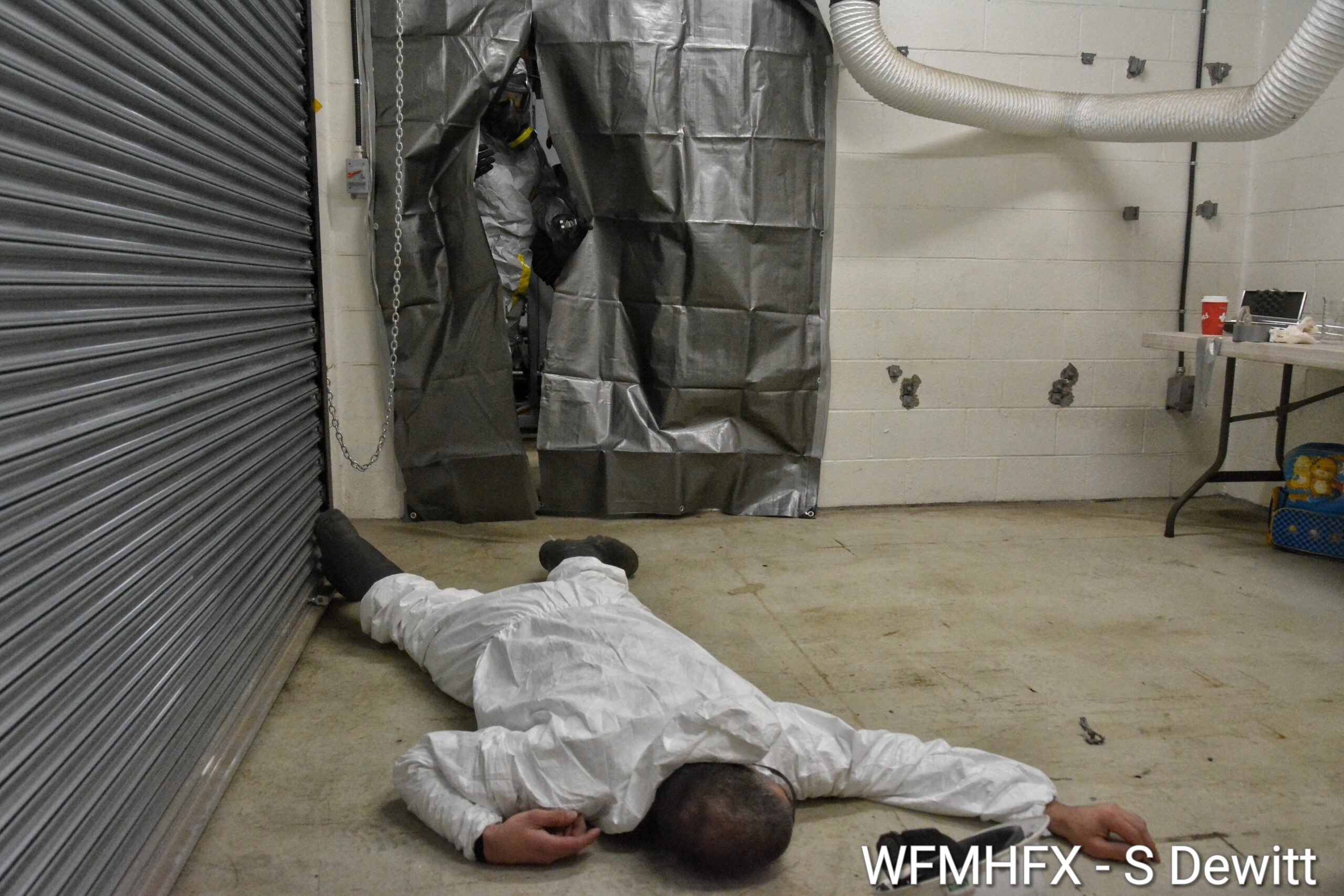
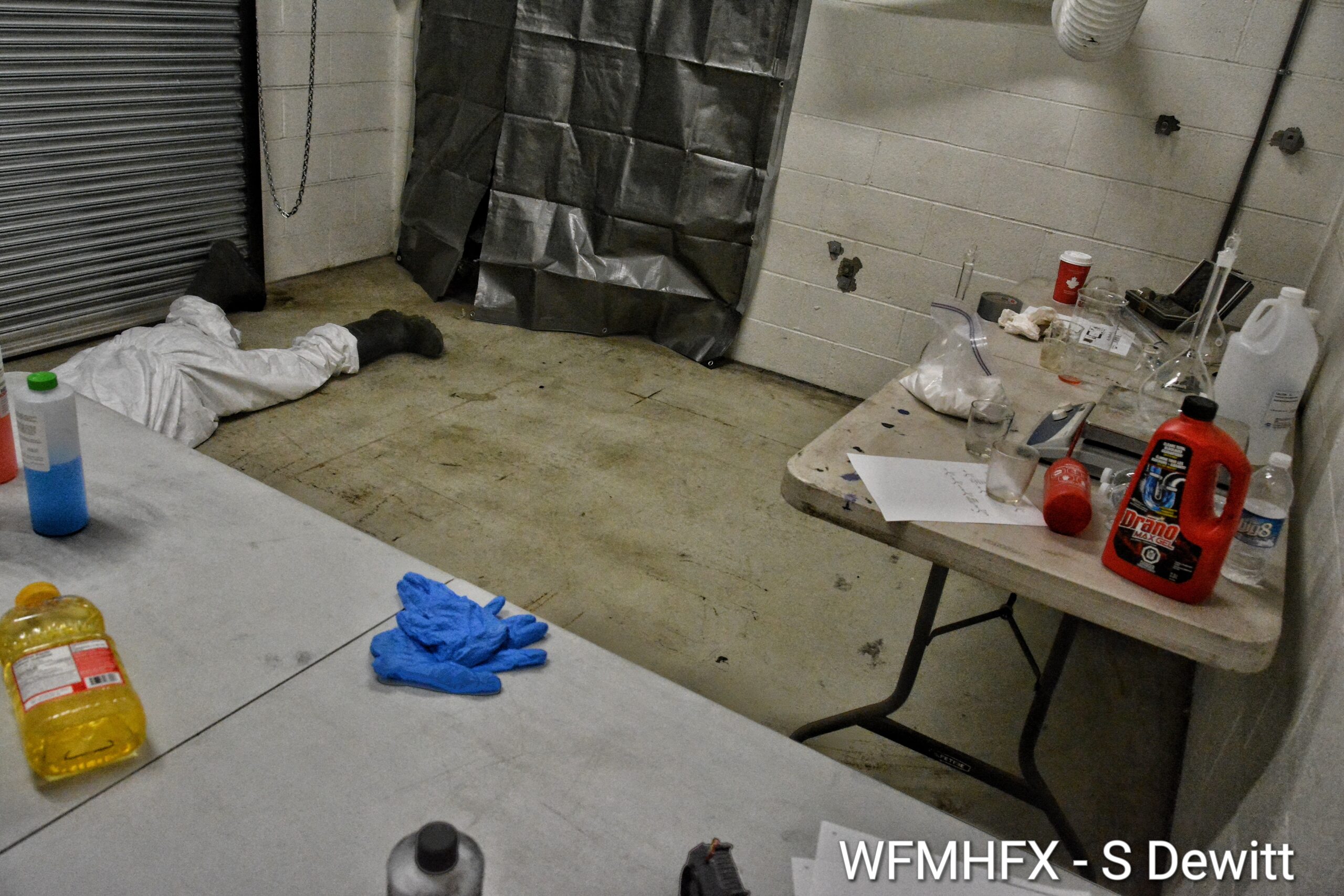
Once the entry way is deemed safe, a lone medic begins to peek inside and sees a victim unconscious on the floor. Reporting that they have found a victim, both fire and EHS enter the room cautiously. It is reported that this room appears to be a makeshift lab, and chemicals are both seen and reading on meters.
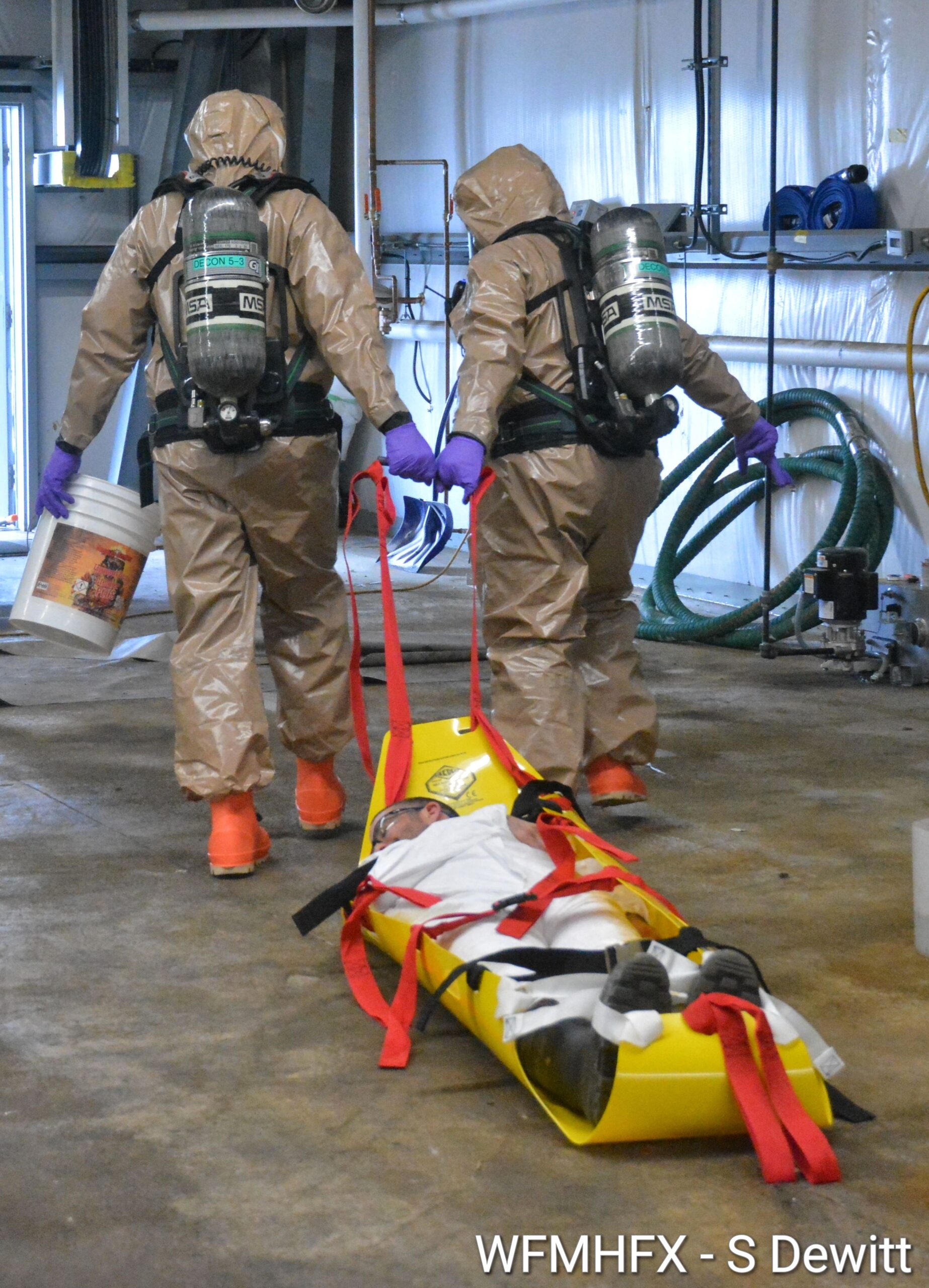
With human life at risk, the teams gather and prepare to transport the victim out of the lab.
Outside the entry of the small office, they prepare the victim for transport. Fire crews bring the victim to decon, where he is washed and made safe for further transport.
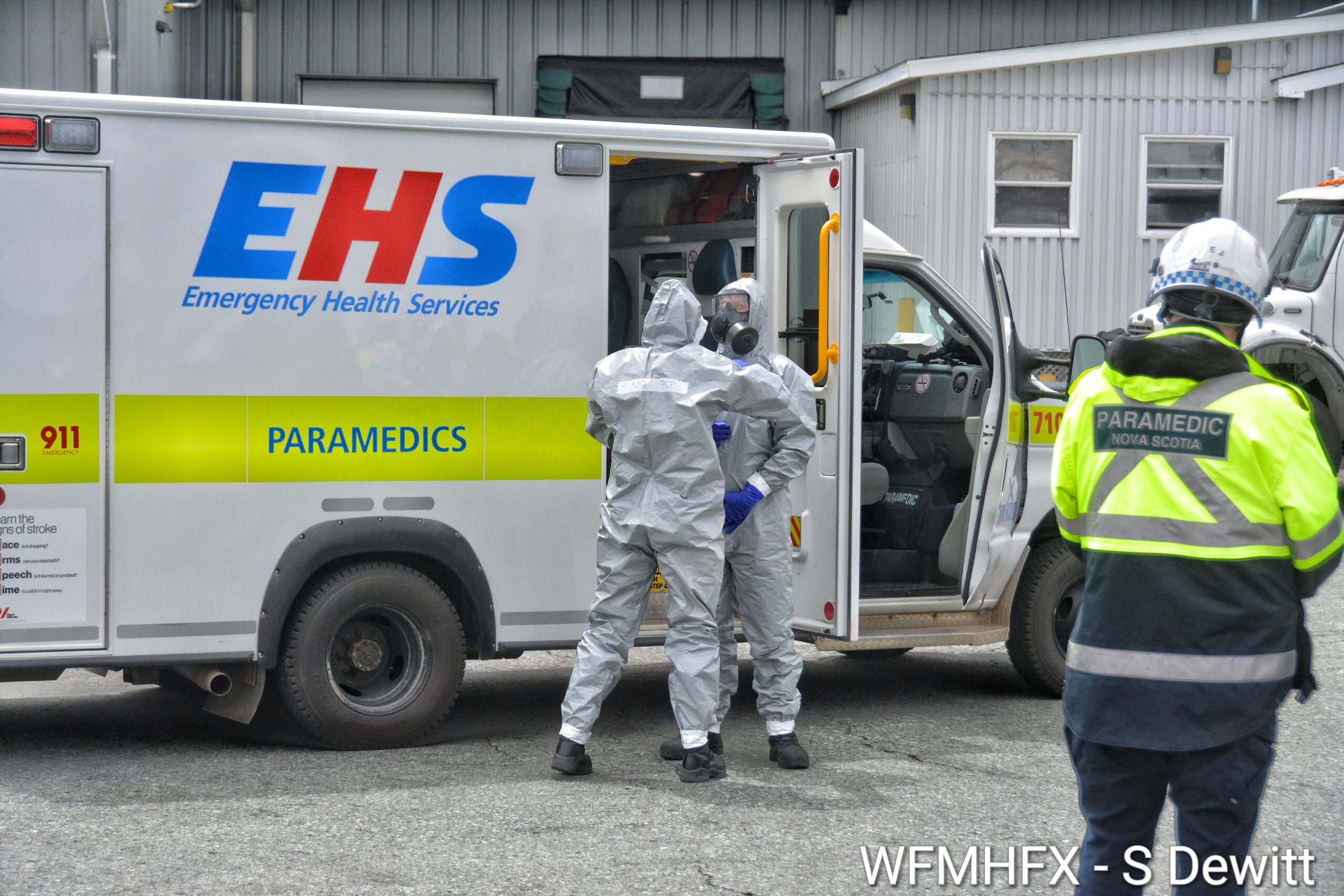
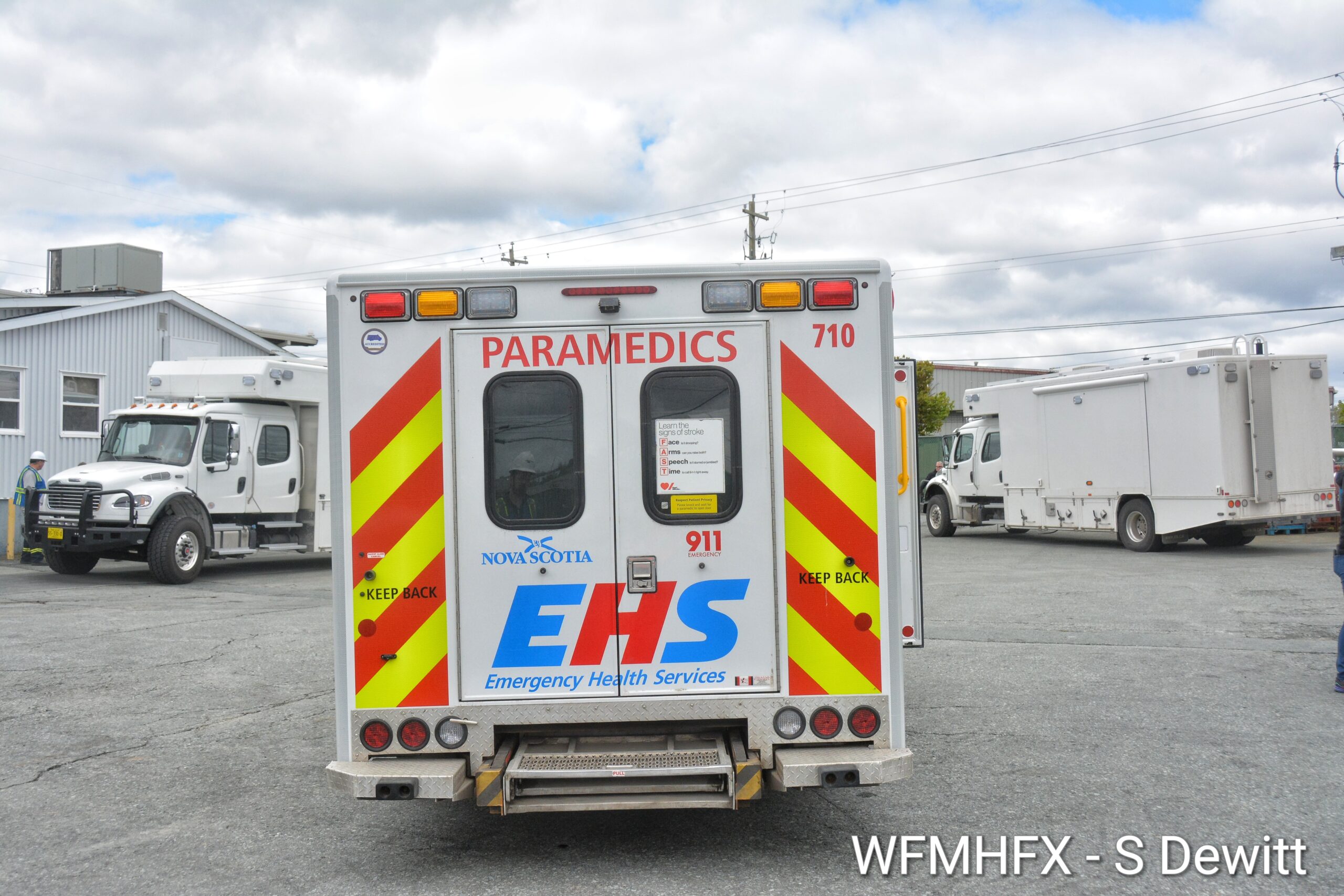
Other paramedics in protective gear get the patient secured on a stretcher after communications with fire that ensures he is no longer a hazard for transport.
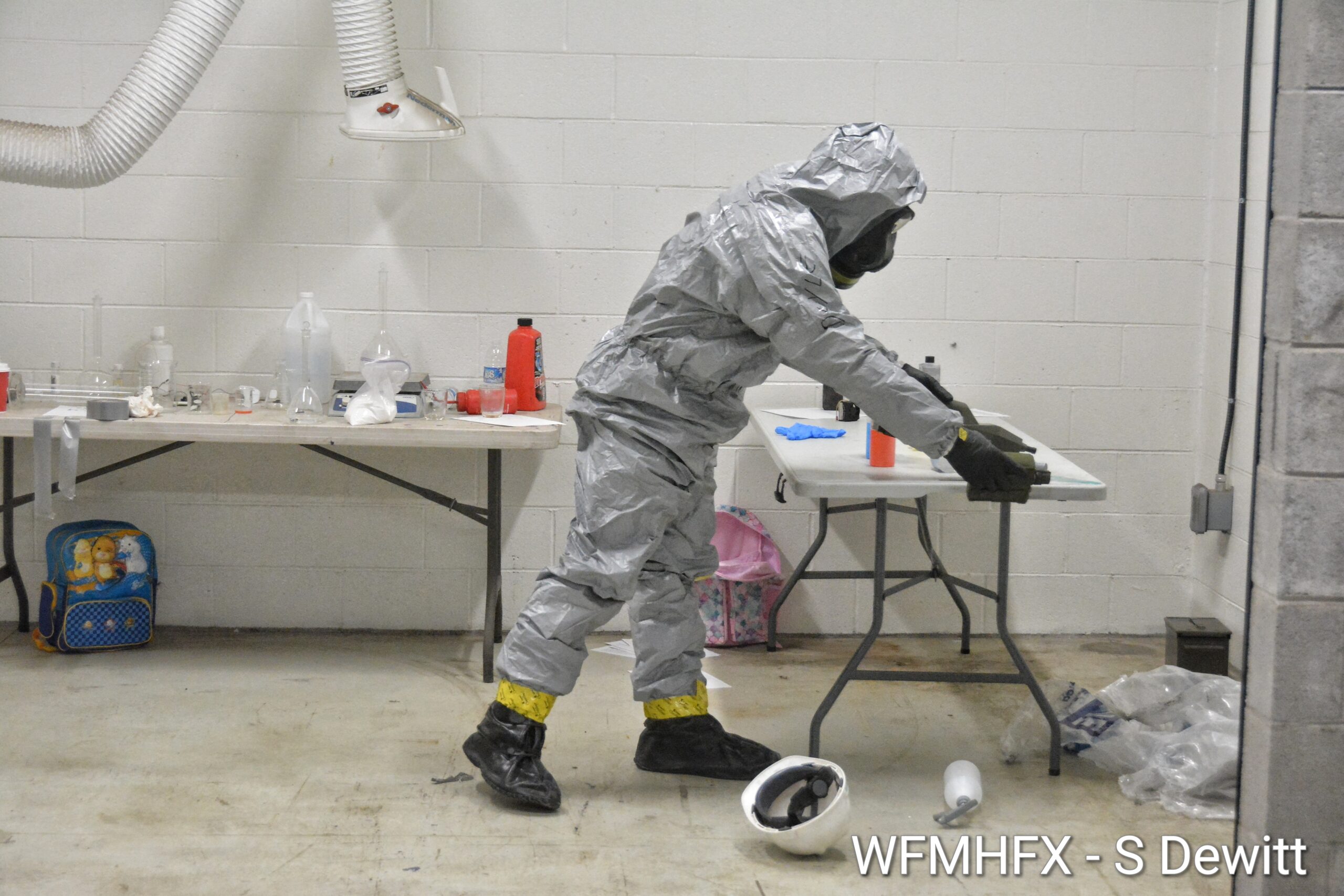
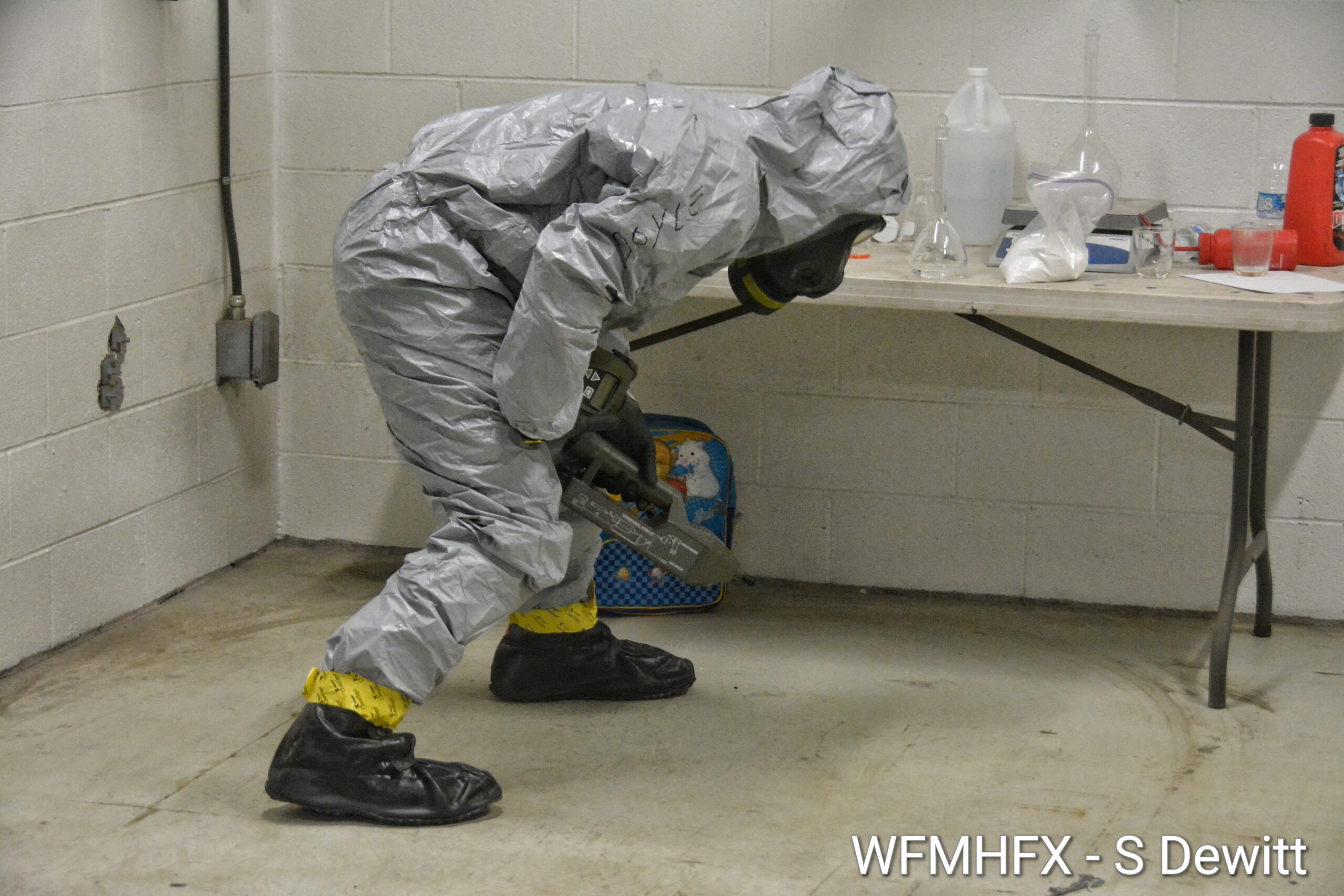
Meanwhile, police and fire inside the building continue to document the established crime scene, photos and radio communications inform command crews outside of the situation inside.
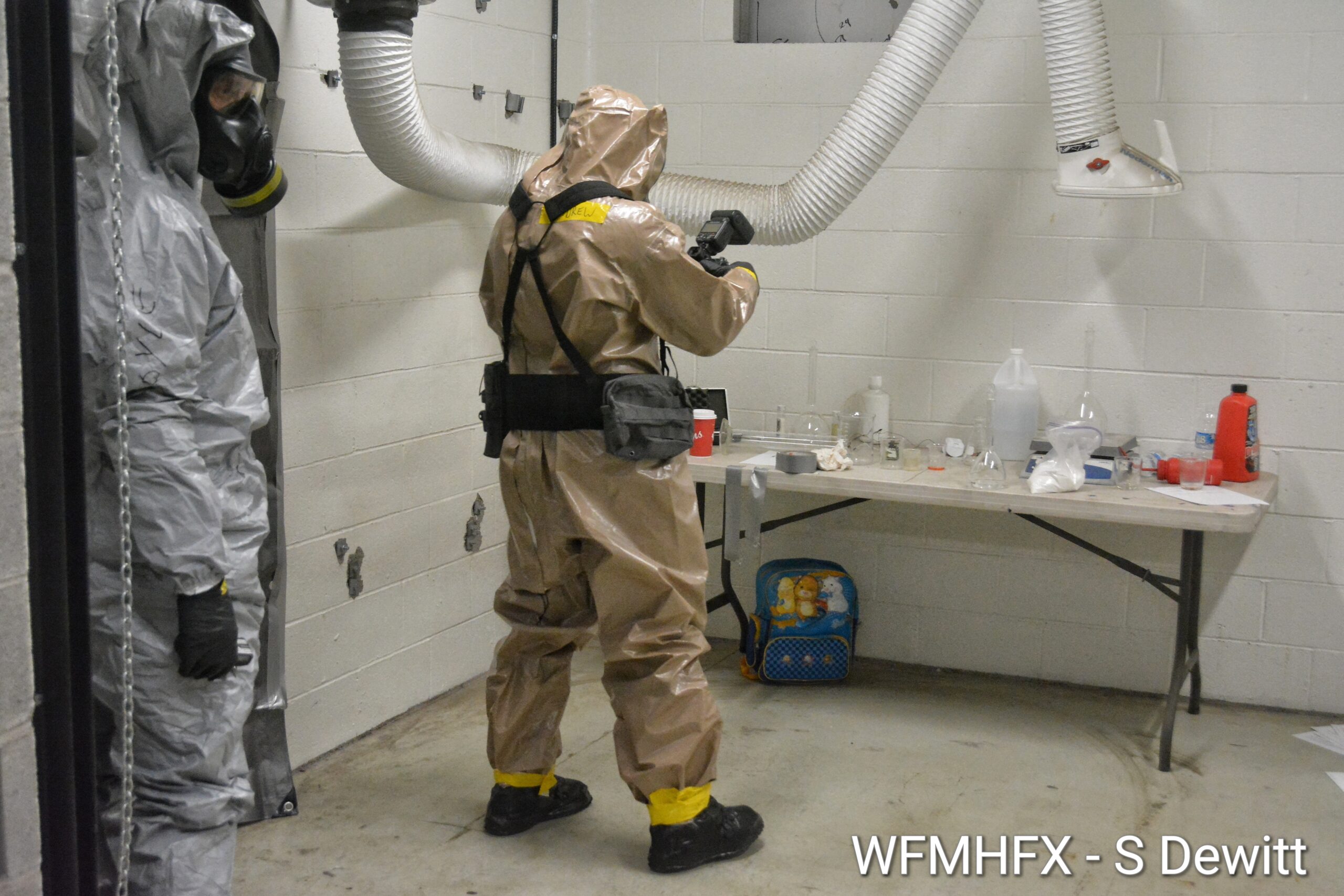
As crews continue to investigate, it was established that a small bag inside the lab contained a high amount of hazardous but unknown chemicals.
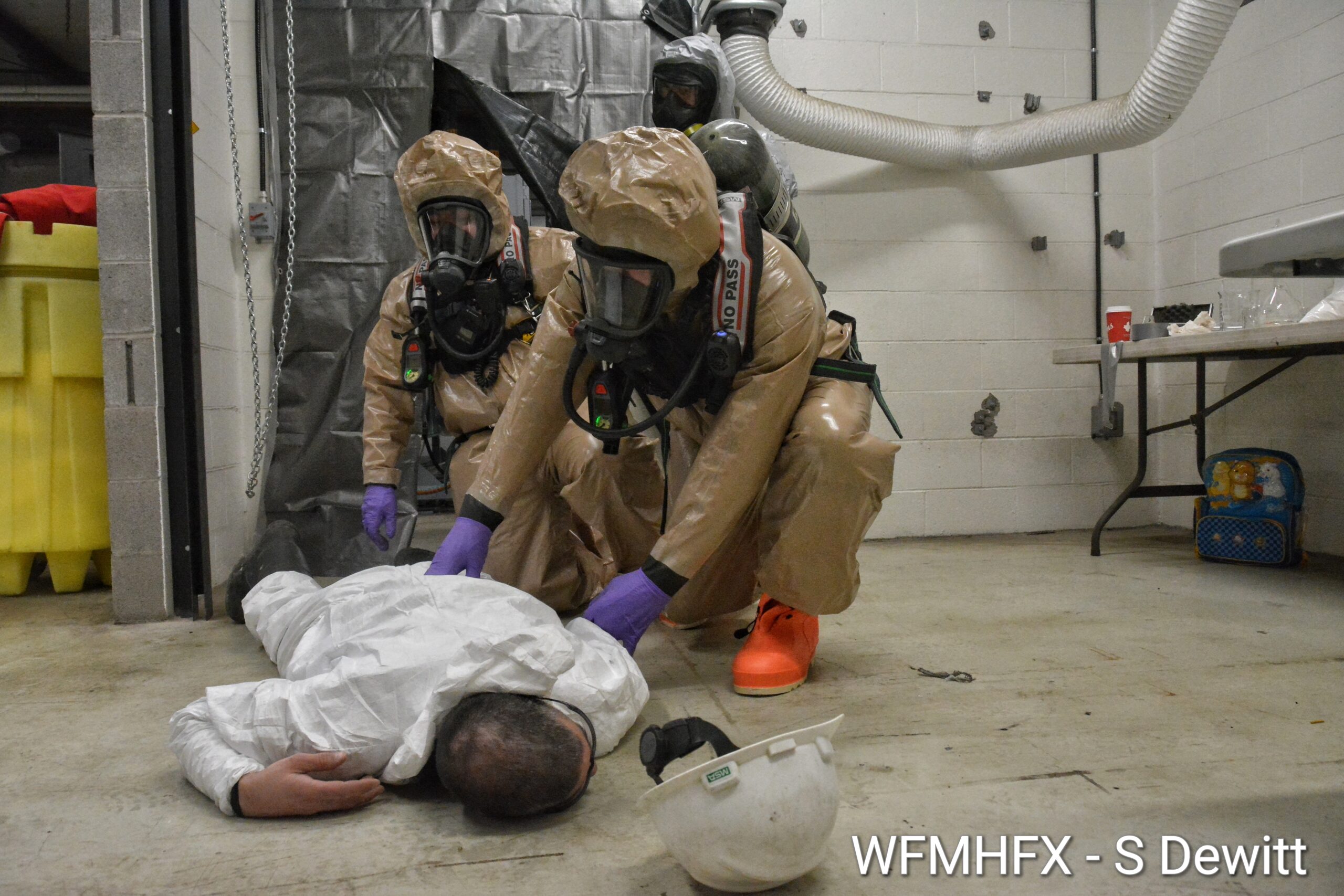
They all leave the building to recycle crews and decontaminate.
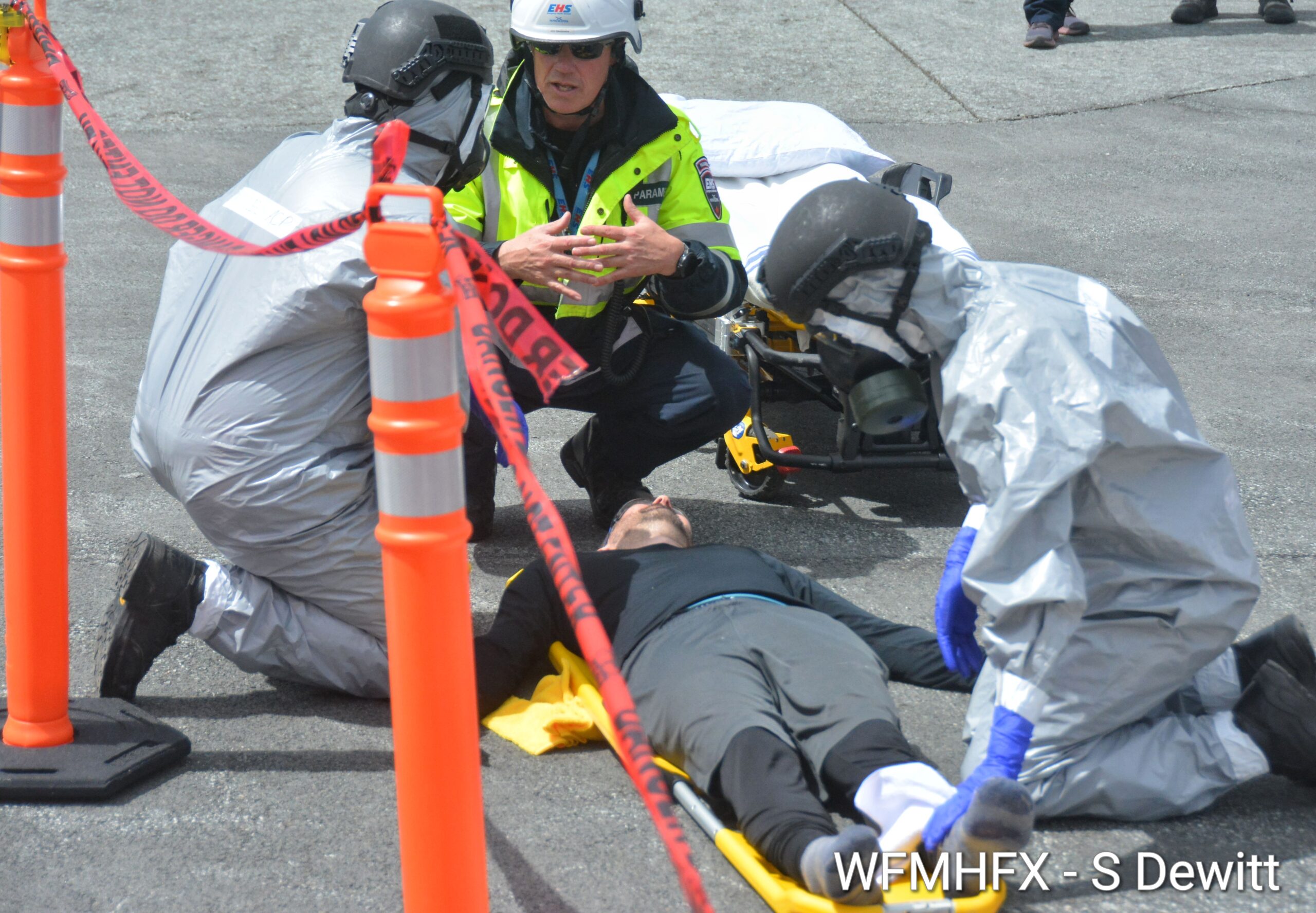
Crews have a briefing about the current status of the situation as they prepare to make safe the area.
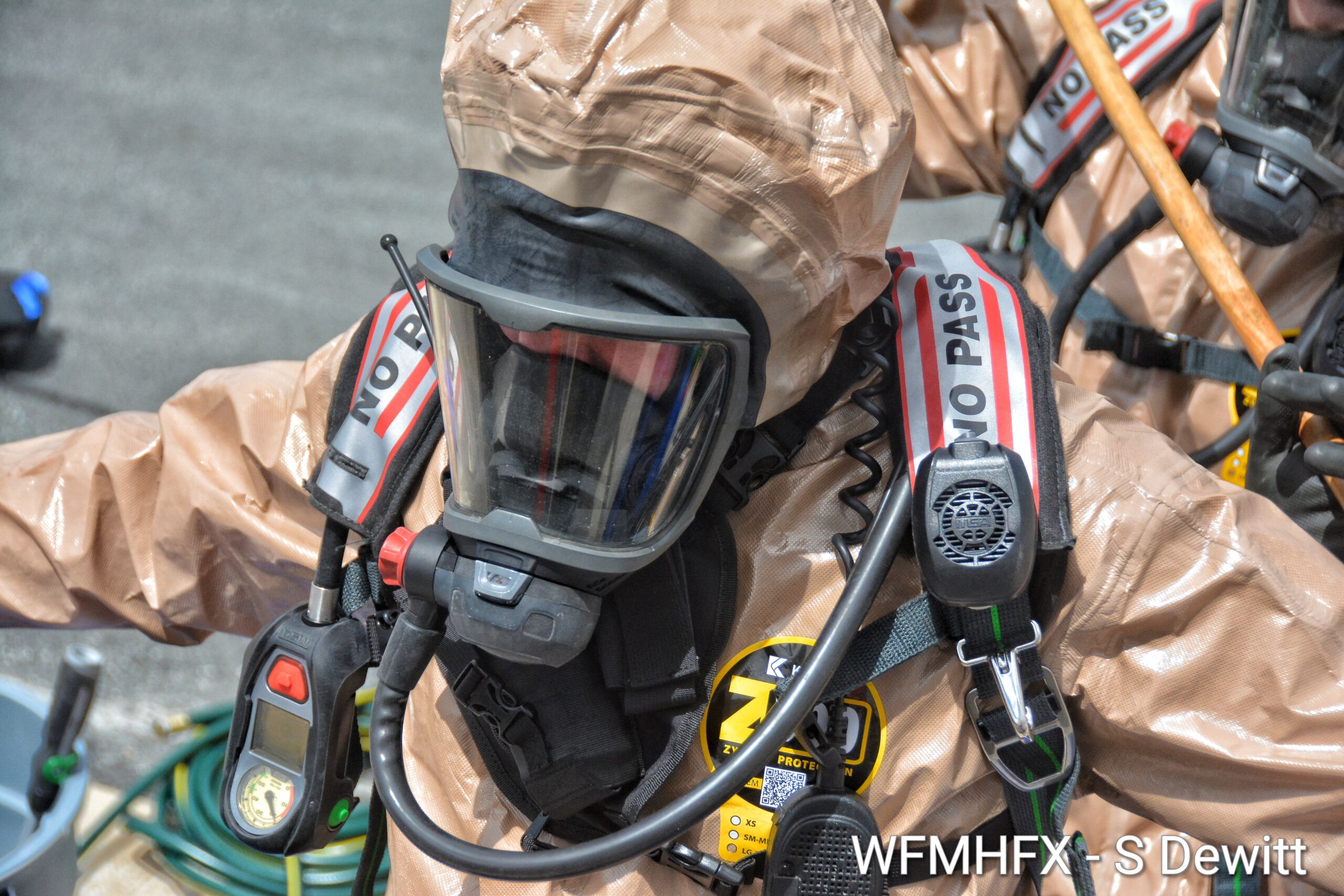
With excrecises like these, crews are able to establish recognized teachniques and expertise from other agencies, allowing easier work relations when they are called out to scenes together. Who does what, who handles what, are vital pieces that keep the public safe as they work faster and clearly with their roles and intent.
Tomorrow, the rest of the scene will play out as these agencies get back together at host Brentag. Upcon completion, the agencies will discuss the activity and review performances. These face to face meetings provide valuable information and knowledge to all involved which spreads into further training down the road and eventually into real scenarios where cooperation from these agencies plays a vital role for public safety.
-