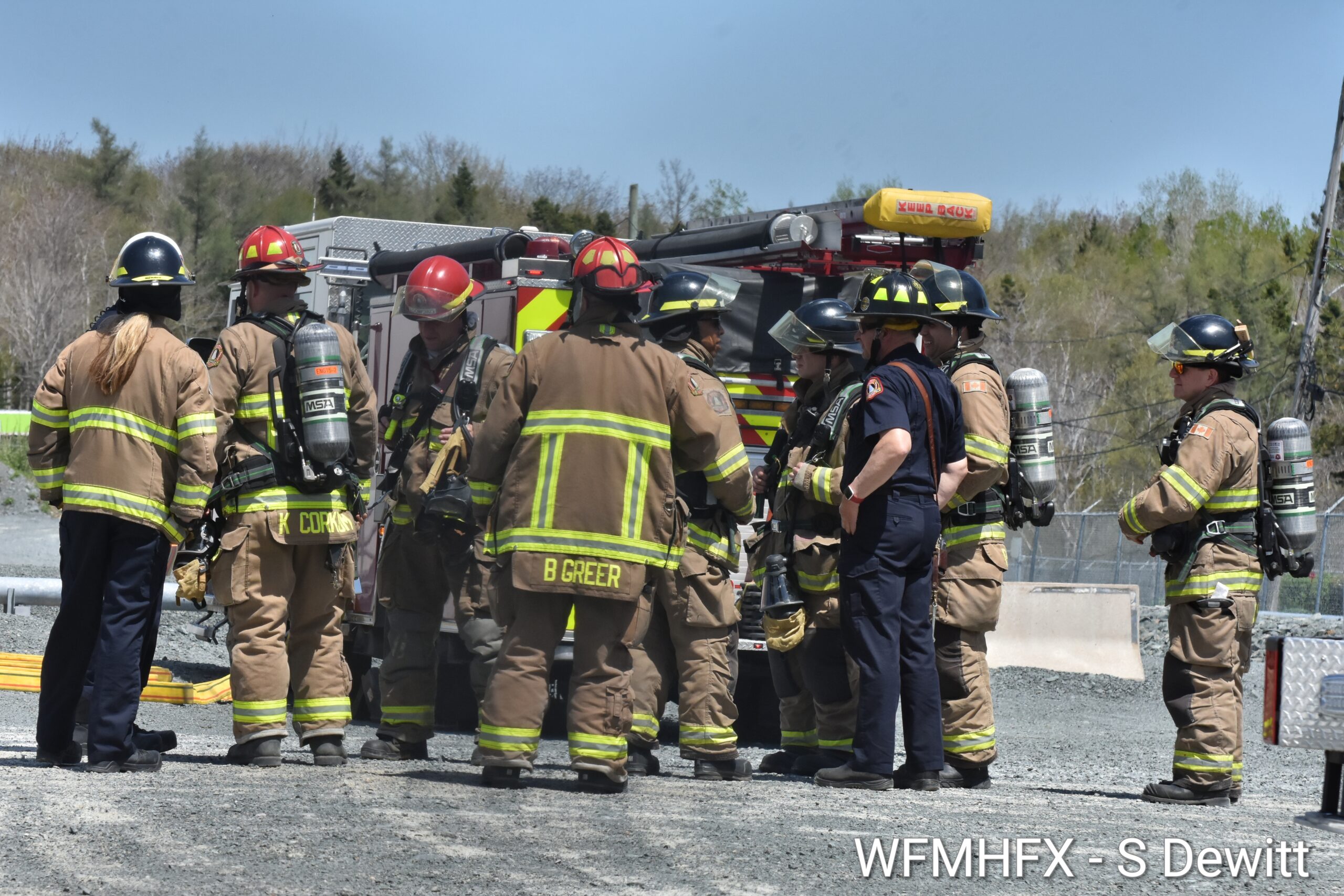
In photos - The HRFE joined forces again as a multi-agency HAZMAT scenario played out in Dartmouth
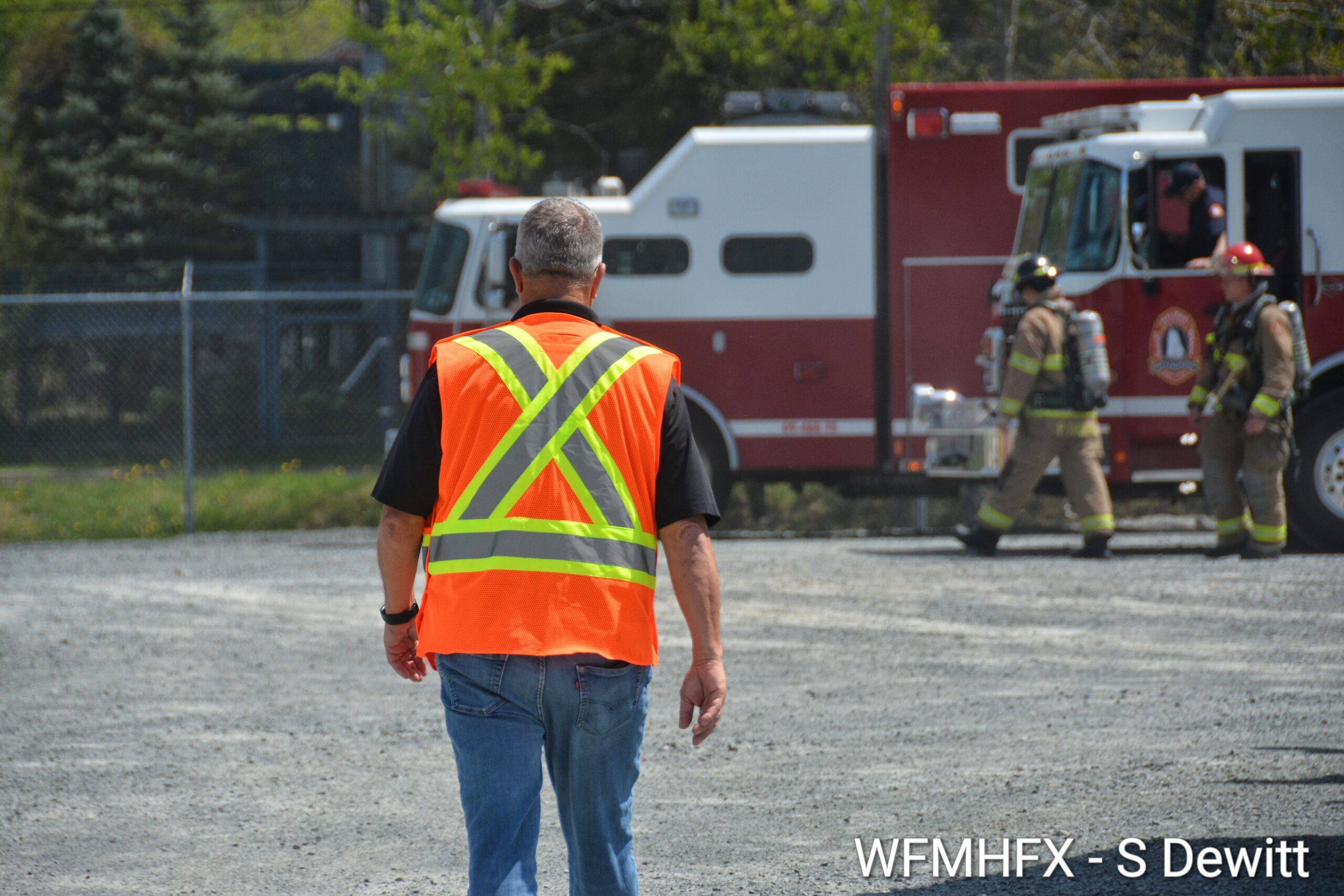
However, this was a bit of a big deal as this scenario focused both on hands on and more on the big scope of communications, from dispatch out to full EMO alerts, the focus on who says what and how word spreads was front and center.
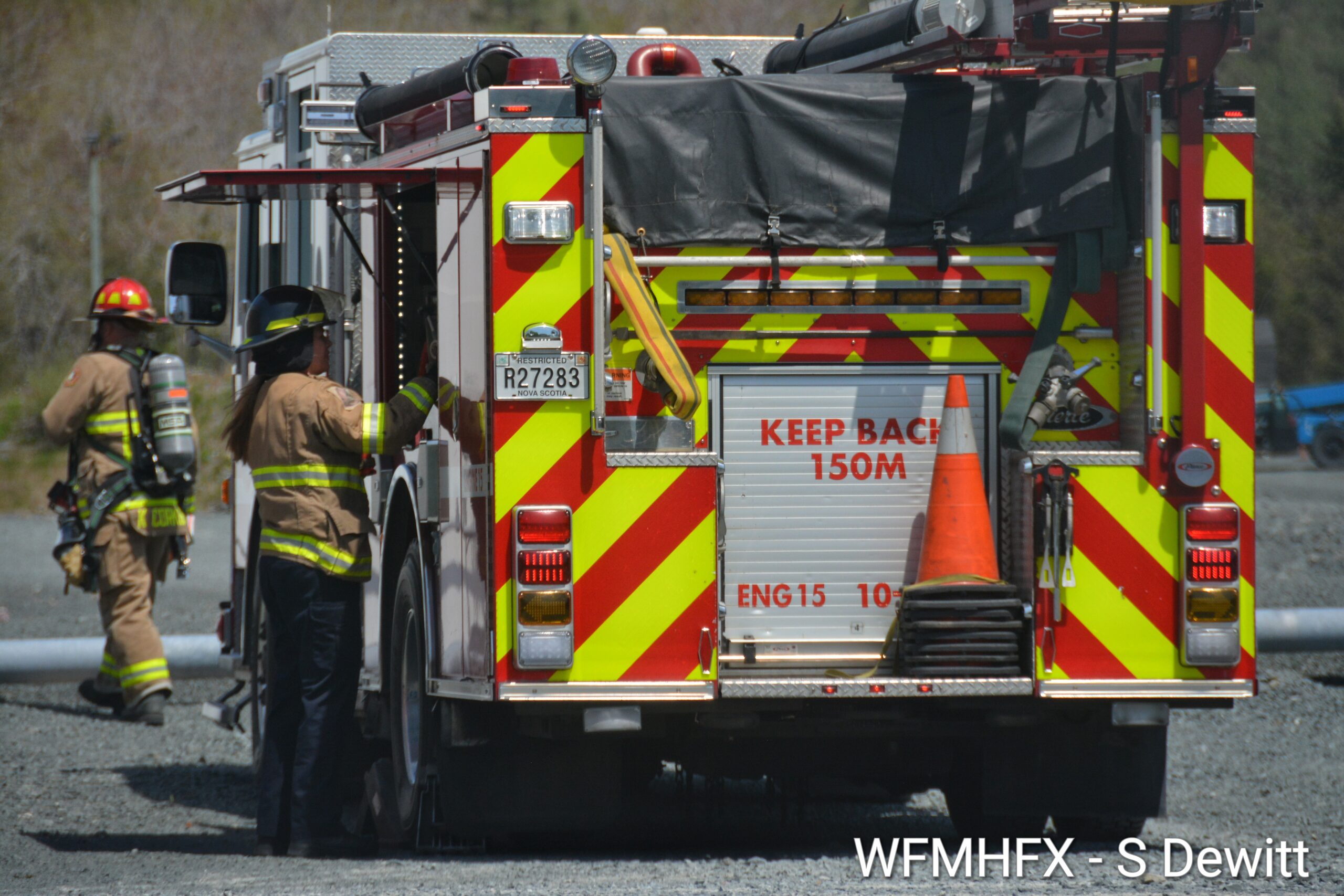
Fire crews responded to a significant propane leak at Irving Energy. As crews arrived on scene, a dialogue was established between fire and Irving reps.
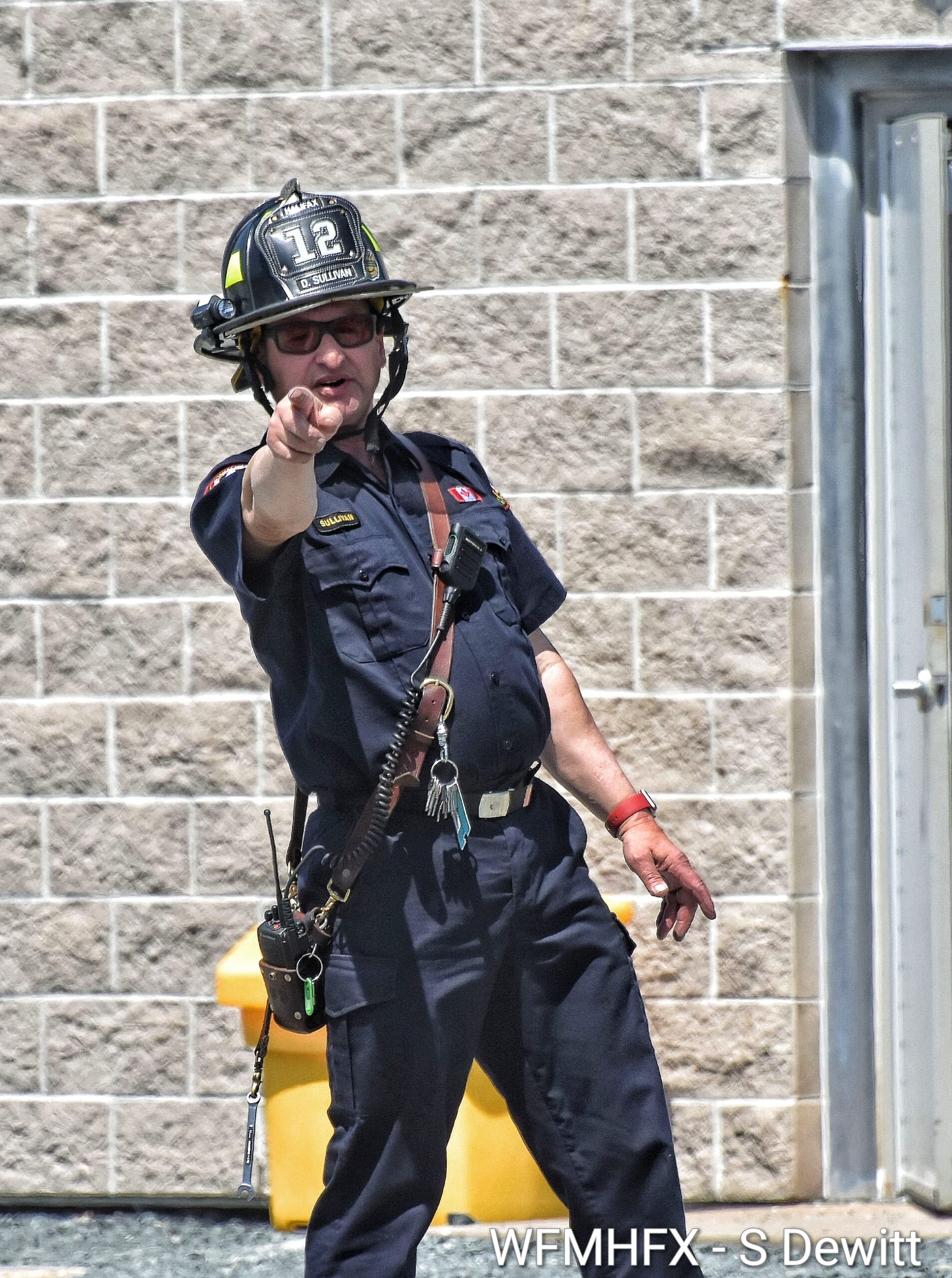
They were given certain information, and based on their investigation, further information became available.
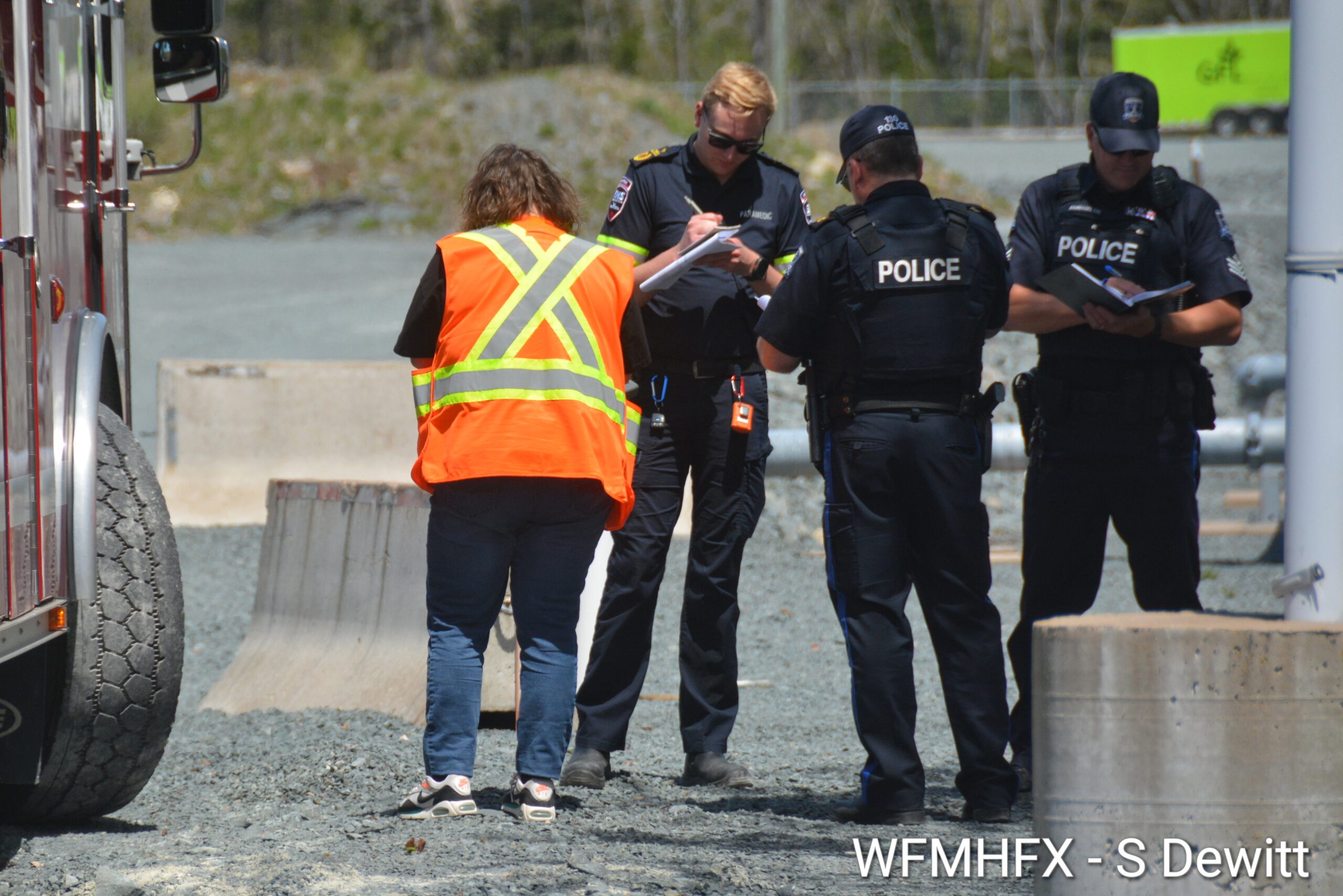
Fire crews were able to update dispatch and call for further backup, including EHS and police.
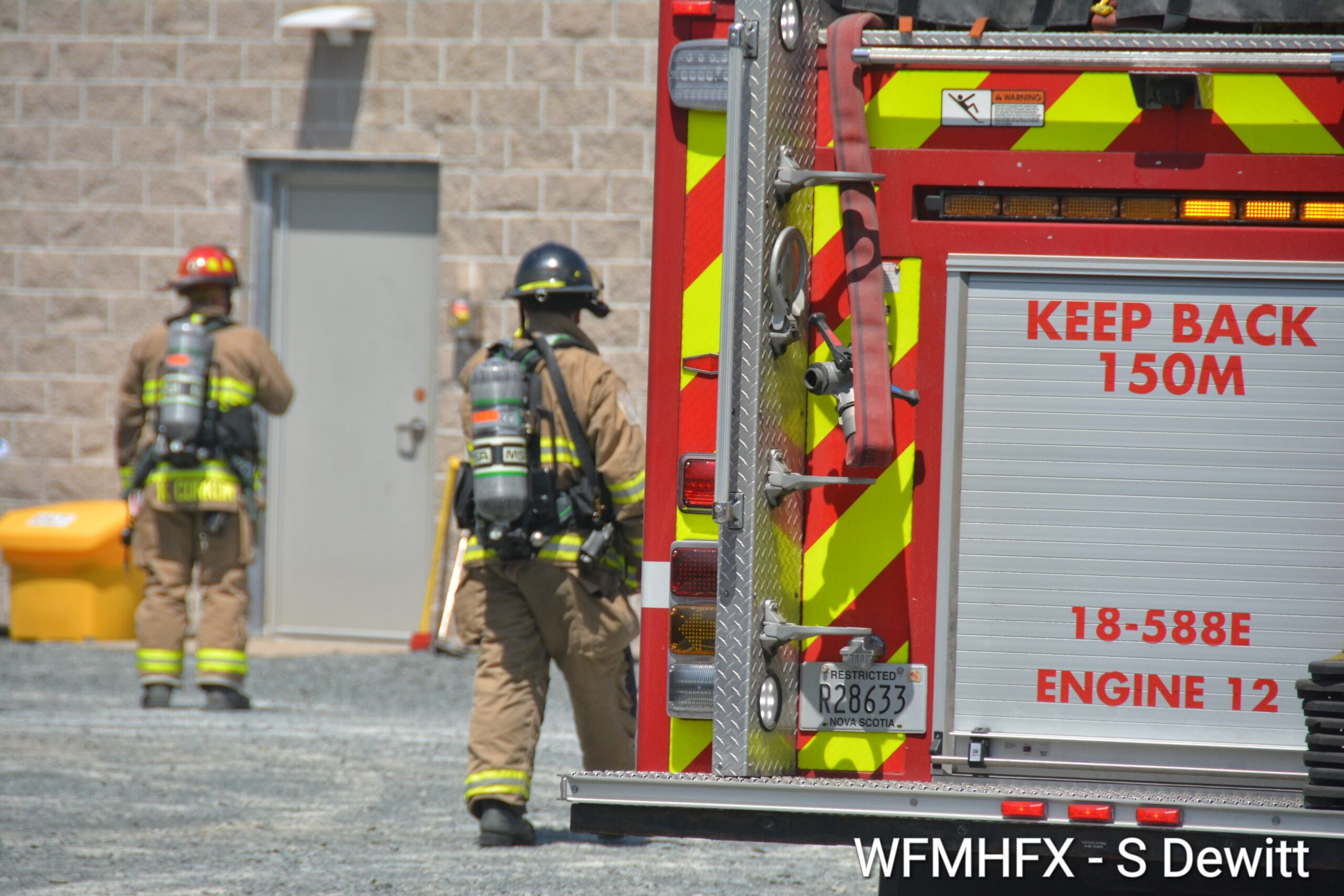
The scene expanded and evacuations were determined to be necessary, so communications were channeled accordingly.
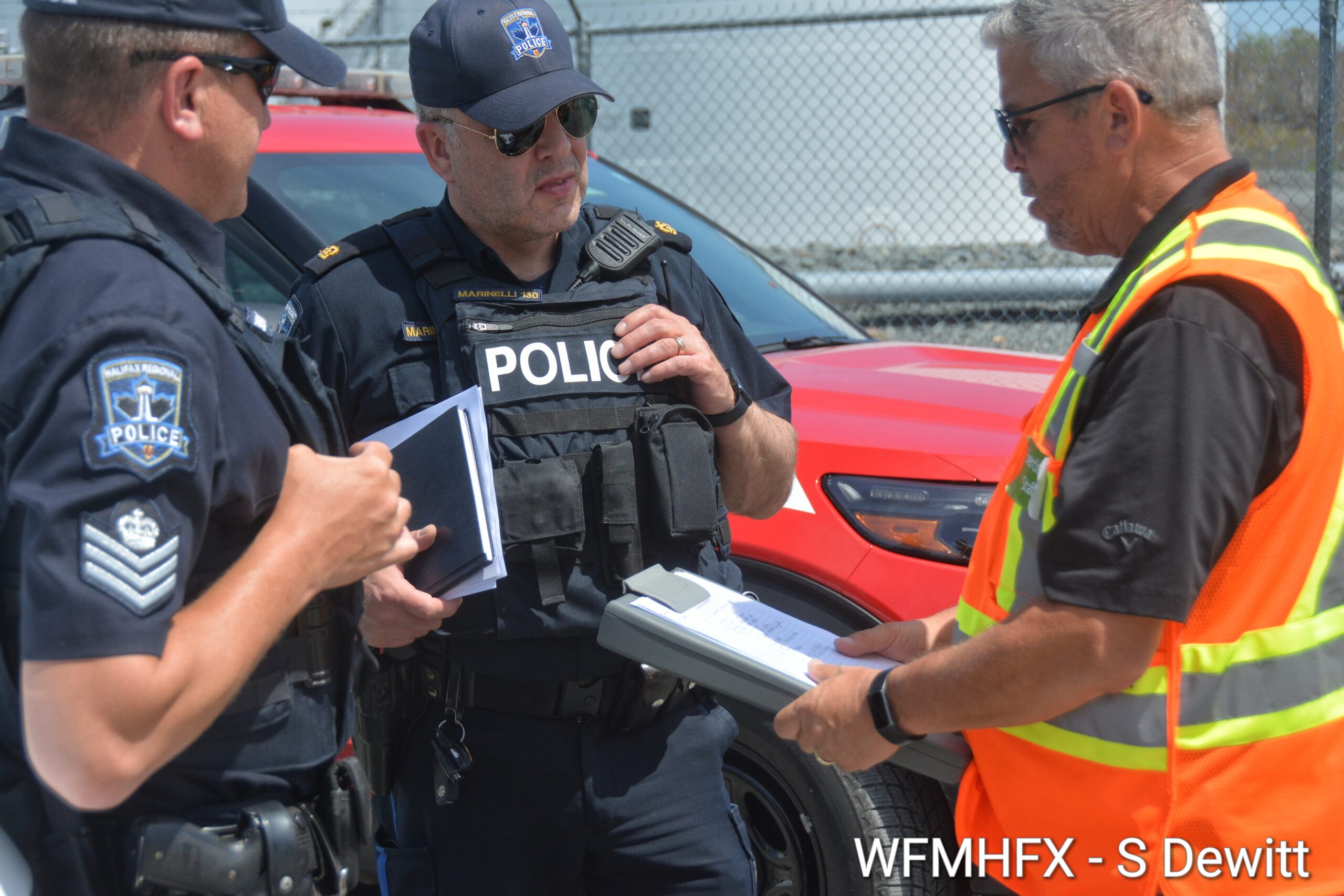
Crews on scene were constantly informed of changing condions. Working with other agencies to expand and coordinate evacuations, it became clear that alerts for the area were required.
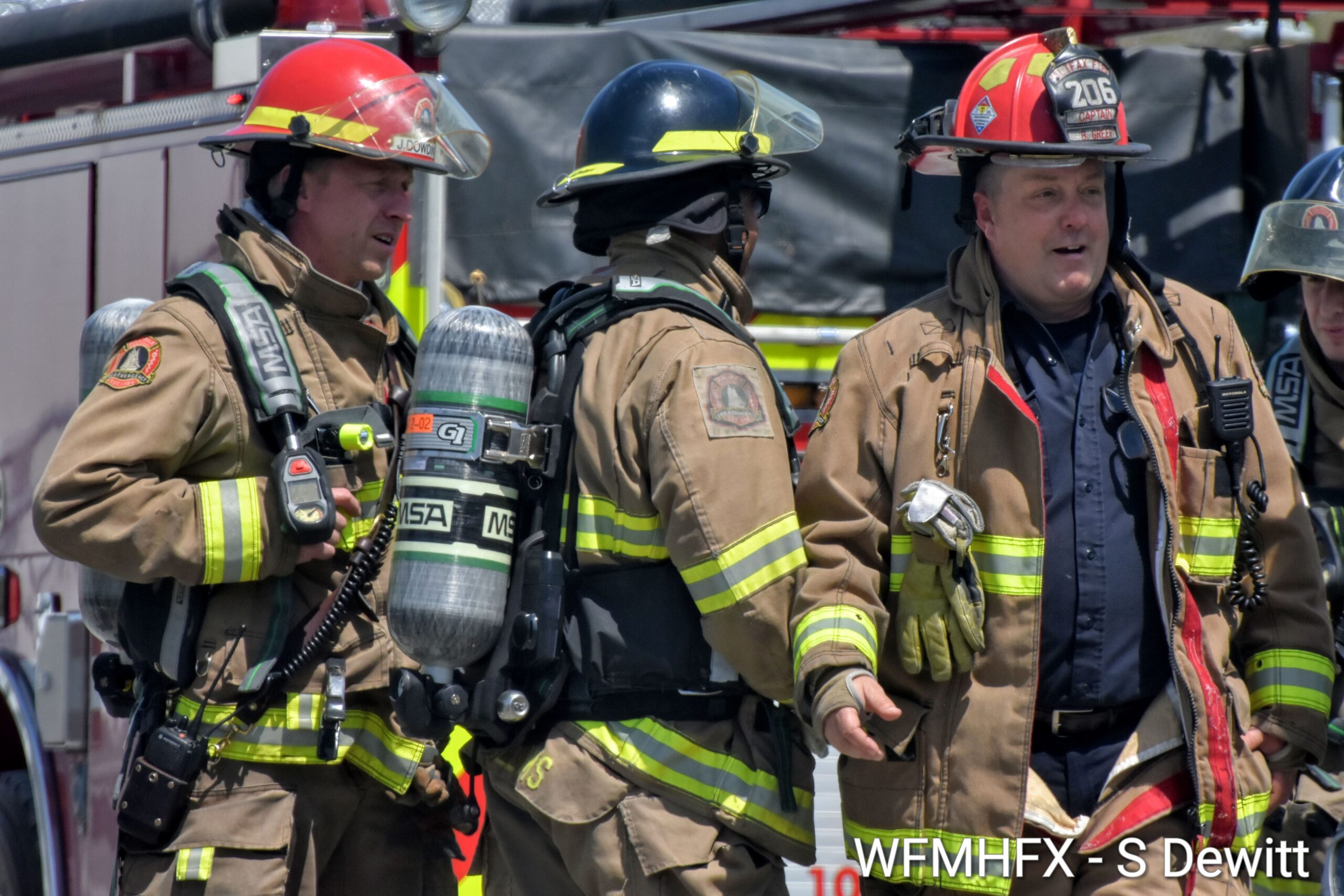
Command crews had to establish deeper communications quickly and efficiently to get the word out to phones, radios and tv's. Under the umbrella of the Emergency Management Office, and keeping the lines of communications open to boots on the ground, the scenario had to be relayed clearly and quickly to devise an alert specific for the hazardous situation.

When a HAZMAT situation occurs, the more information provided to responders moves along the response smoother. As crews arrive, communications must be established with those on scene, and that information has to be clearly spread to all responding, including utilities such as NSP and Halifax Water. The most accurate information is vital, and how it becomes related to the public is critical to preventing related injuries and illness.
Crews teamed up with Irving in a more hands on scenario today. How they gather and relay information was monitored and teams were informed when important changes were made. In the end, the chain of communication was vital as the crews continued to work as a team to ensure public safety in the event of a significant incent.
Ending today's exercise with a group debriefing, crews from all agencies involved were able to ask questions and discuss the events.
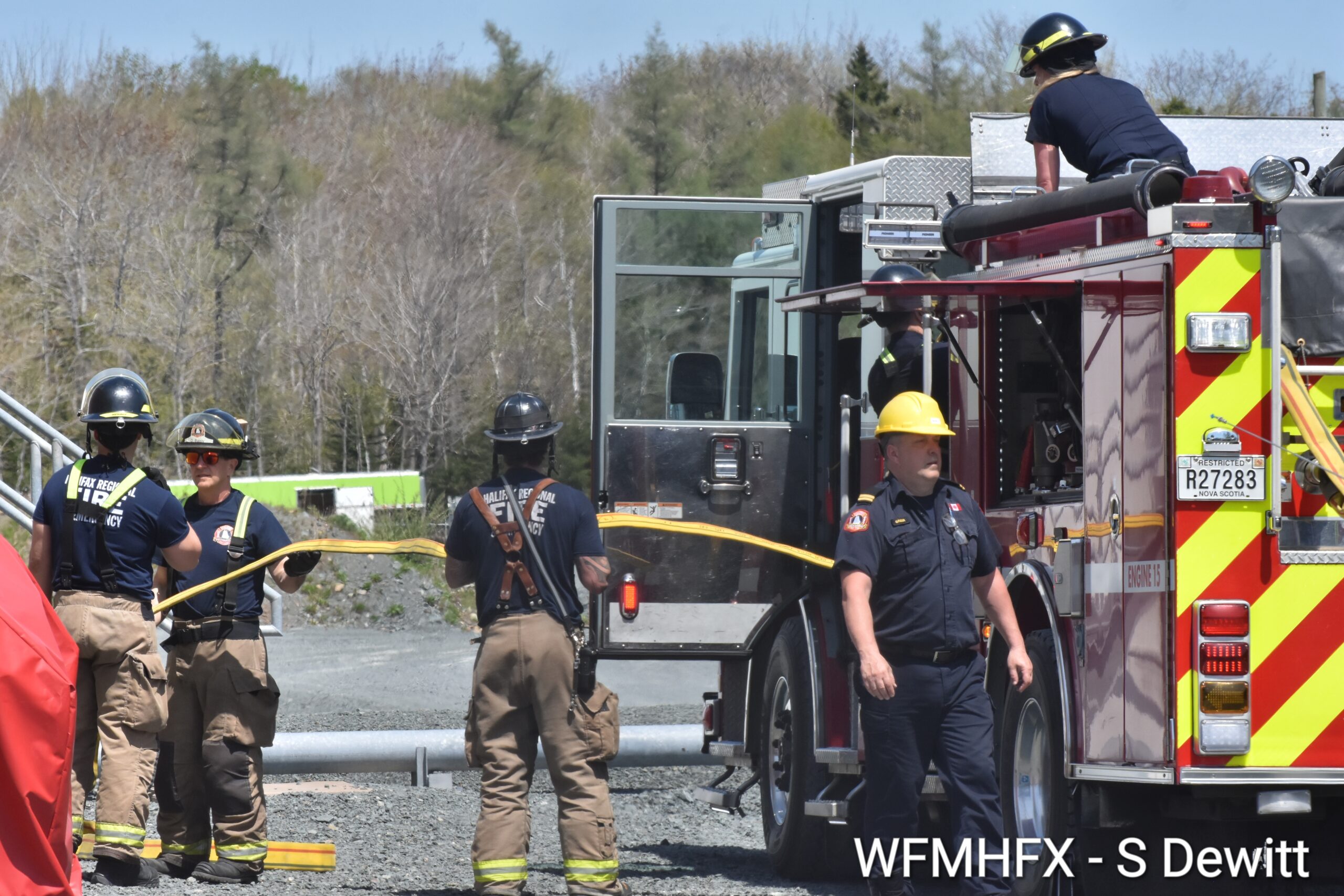
An example of a recent HAZMAT incedint - In January of this year, HAZMAT crews, along with other first responders, responded to the BIO after a chemical spill evacuated the building. Crews immediately established a command structure, and evacuations expanded as more information became available, which included the closure of the MacKay Bridge. Hours later, the scene was made safe.
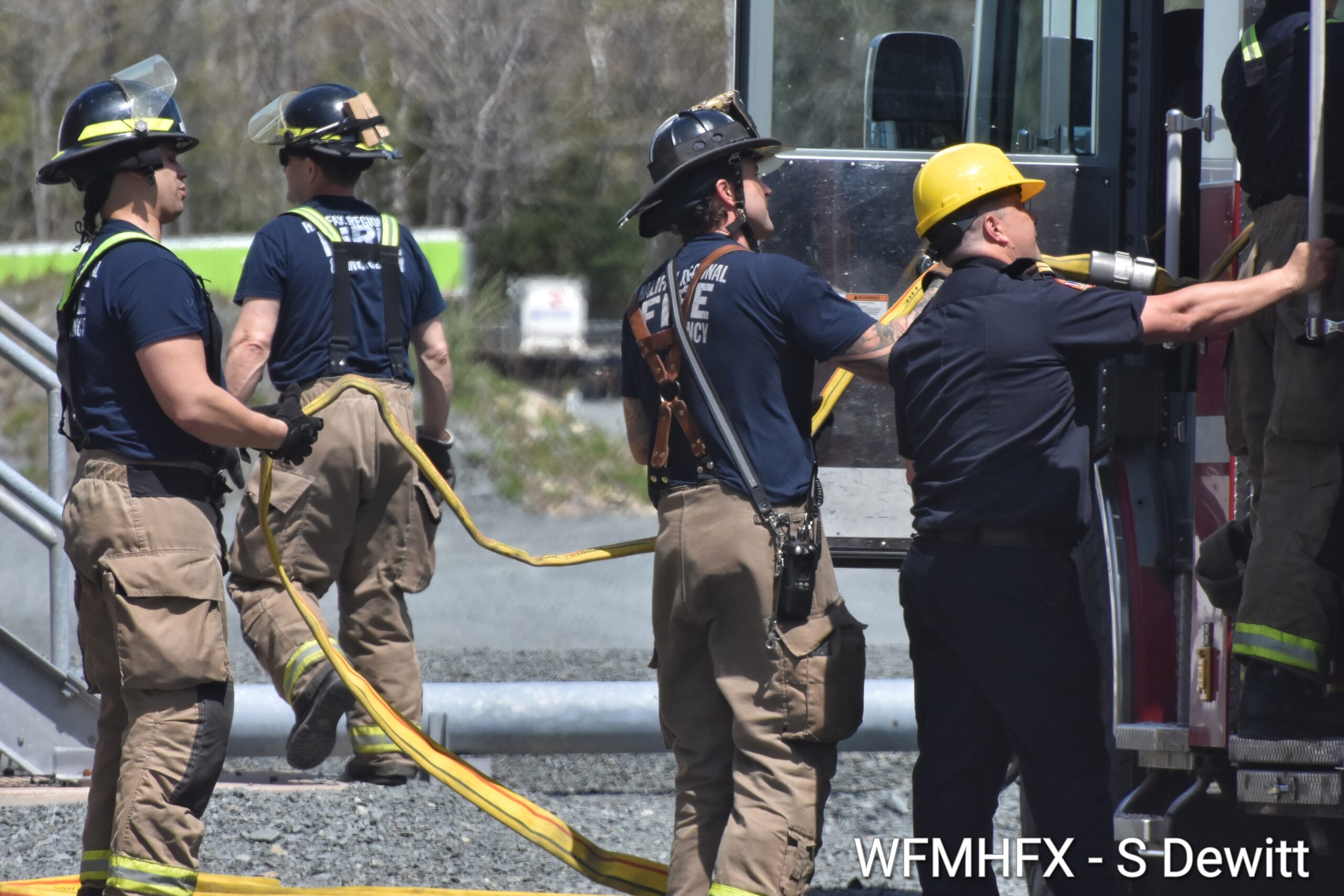
Alerts were sent to the public informing if this situation, Bridge closure and eventual easing of the evacuations. January 2025