**** Via Halifax Professional Firefighters
Understanding Our Alarm System: How We Respond to a Structure Fire
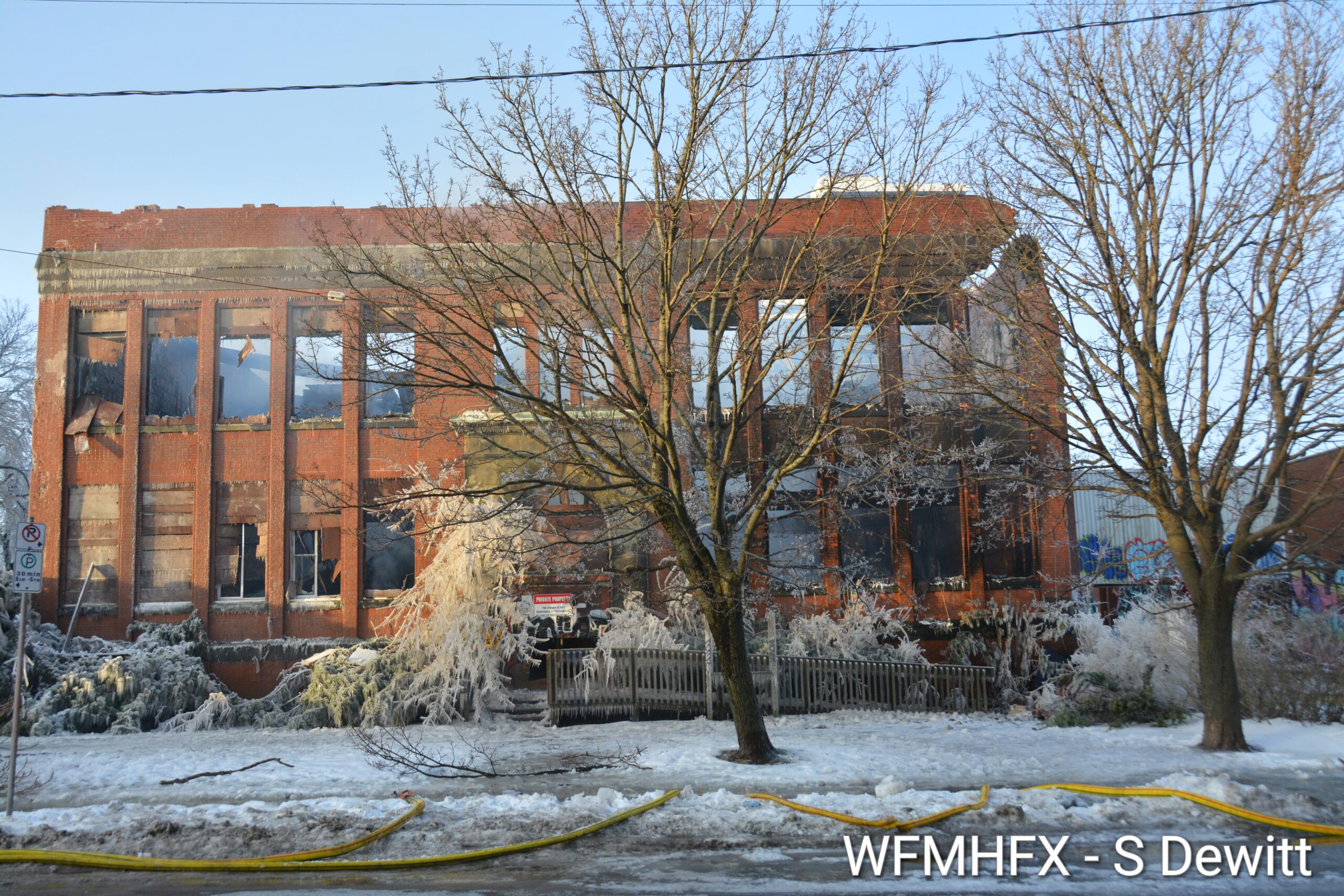
We’ve received a lot of questions about how we respond to fires in Halifax. Here’s a breakdown of what happens when a structure fire in the urban part of our city escalates to a third alarm:
🔺 Initial Response (1st Alarm):
3 Engines (4 FF per)
1 Aerial (2 FF per, or 4 FF if it’s a quint)
1 Platoon Captain (Safety Officer)
1 District Chief (Command)
1 Tactical Unit (2 FF for accountability & support)
🔺 Each Additional Alarm Adds:
2 Engines
1 Aerial
🔺 Total Response for the recent 3rd Alarm Fire:
7 Engines
3 Aerials (1 being a Quint)
2 Tactical Units (1 added by special request)
2 District Chiefs (1 added by special request)
2 Platoon Captains (1 added by special request)
Total: 44 Personnel + 1 Assistant Chief (Management)
Our daily minimum staffing is 101 from Sheet Harbour to Tantallon.
We also had logistics support personnel on scene to help our crews rehab from the cold.
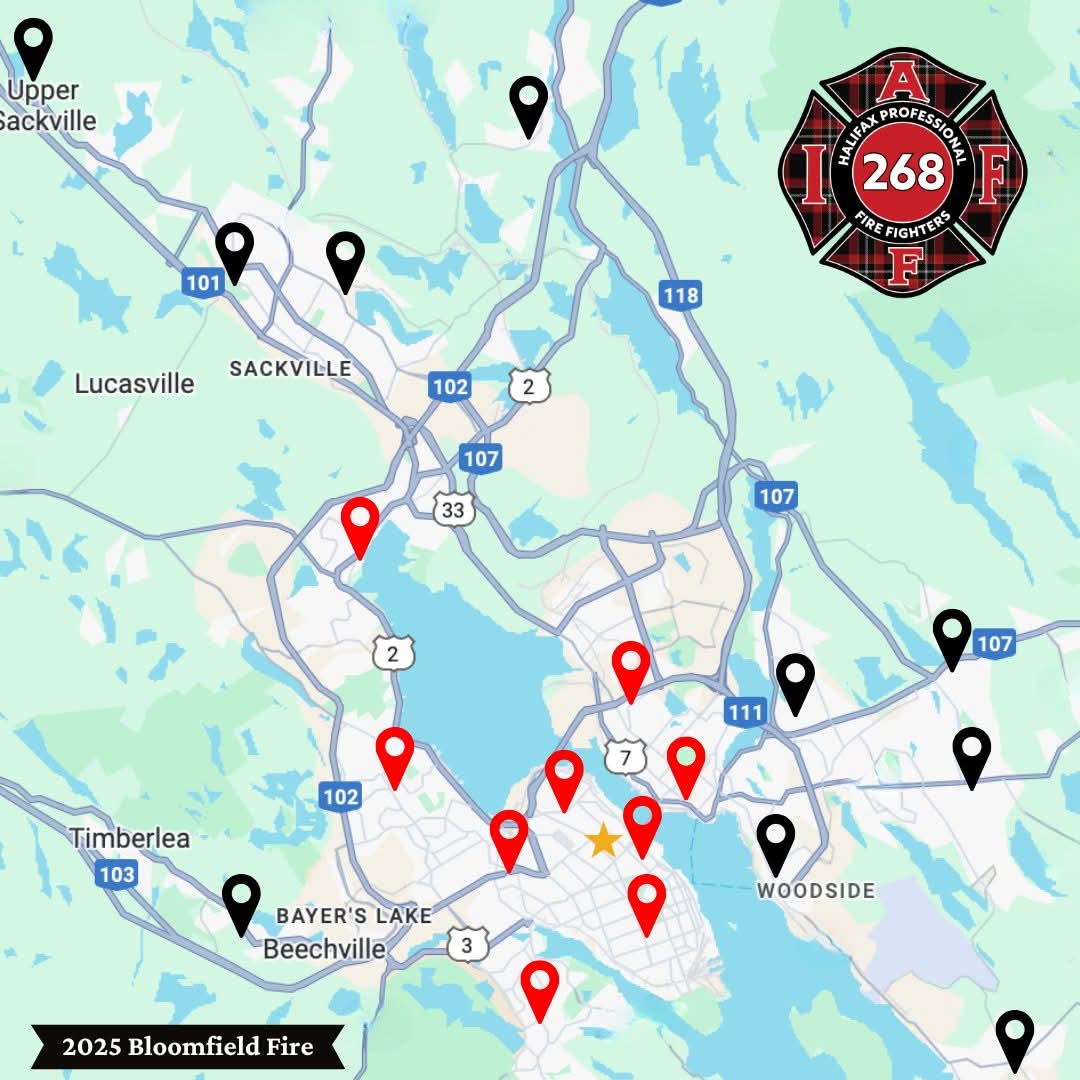
🚒 Staffed Stations That Responded:
📍 Station 2 (South End Halifax)
📍 Station 3 (West St.)
📍 Station 4 (North End Halifax)
📍 Station 5 (West Halifax)
📍 Station 6 (Spryfield)
📍 Station 7 (Clayton Park)
📍 Station 8 (Bedford – Tactical Unit)
📍 Station 12 (Highfield Park)
📍 Station 13 (Downtown Dartmouth)
This was a major response, utilizing resources from across the city to keep our community safe. The attached map shows how significant this operation was.
-