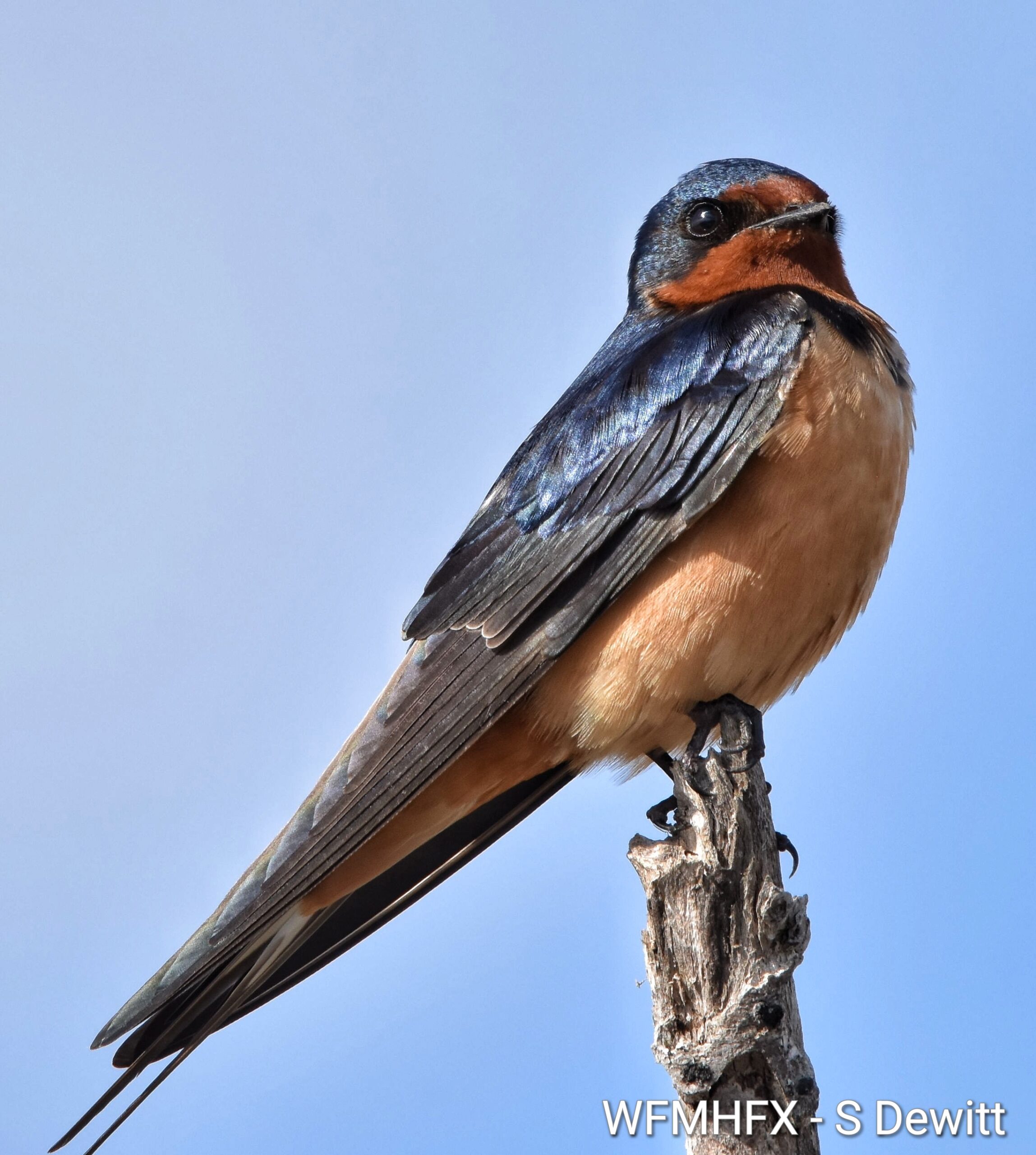
 The theme this year is "community science" and the important contributions that members of the community can make to protecting migratory birds.
There are lots of exciting ways that you can participate in community science, and many of these involve using fun mobile apps like eBird, Merlin and iNaturalist that guide you through learning how to spot, record and share your sightings of migratory birds.
Bird populations in North America have been declining for decades. Since 1970, we have lost three billion birds in North America, including common species that live in our towns and cities. Cities are often the most dangerous place for birds because of window collisions, lost habitat, predatory house cats and pesticides.
This is why the municipality is investing in bird conservation with our Green Network Plan, Urban Forest Management Plan, Integrated Pest Management Plan and through our efforts to make the region a “Bird Friendly City.”
Here are some tips on how to make sure that migratory birds have the food, space and safety to thrive:
- only put out bird feeders during cold months to avoid spreading diseases and parasites among birds
- protect the water by cleaning up garbage and picking up after your dog along lakes
- add decals and stickers to your windows to reduce the chance of window strikes, especially during migration season
- choose native species of shrubs and perennials for your garden to attract birds and give them food to eat
Learn more at halifax.ca/lakesandrivers.
The theme this year is "community science" and the important contributions that members of the community can make to protecting migratory birds.
There are lots of exciting ways that you can participate in community science, and many of these involve using fun mobile apps like eBird, Merlin and iNaturalist that guide you through learning how to spot, record and share your sightings of migratory birds.
Bird populations in North America have been declining for decades. Since 1970, we have lost three billion birds in North America, including common species that live in our towns and cities. Cities are often the most dangerous place for birds because of window collisions, lost habitat, predatory house cats and pesticides.
This is why the municipality is investing in bird conservation with our Green Network Plan, Urban Forest Management Plan, Integrated Pest Management Plan and through our efforts to make the region a “Bird Friendly City.”
Here are some tips on how to make sure that migratory birds have the food, space and safety to thrive:
- only put out bird feeders during cold months to avoid spreading diseases and parasites among birds
- protect the water by cleaning up garbage and picking up after your dog along lakes
- add decals and stickers to your windows to reduce the chance of window strikes, especially during migration season
- choose native species of shrubs and perennials for your garden to attract birds and give them food to eat
Learn more at halifax.ca/lakesandrivers.
Events & Entertainment
In The Spotlight
Migratory Bird Day falls on the second weekend of every May

**** Via HRM
Migratory Bird Day falls on the second Saturday of every May (late post)
The theme this year is "community science" and the important contributions that members of the community can make to protecting migratory birds.
There are lots of exciting ways that you can participate in community science, and many of these involve using fun mobile apps like eBird, Merlin and iNaturalist that guide you through learning how to spot, record and share your sightings of migratory birds.
Bird populations in North America have been declining for decades. Since 1970, we have lost three billion birds in North America, including common species that live in our towns and cities. Cities are often the most dangerous place for birds because of window collisions, lost habitat, predatory house cats and pesticides.
This is why the municipality is investing in bird conservation with our Green Network Plan, Urban Forest Management Plan, Integrated Pest Management Plan and through our efforts to make the region a “Bird Friendly City.”
Here are some tips on how to make sure that migratory birds have the food, space and safety to thrive:
- only put out bird feeders during cold months to avoid spreading diseases and parasites among birds
- protect the water by cleaning up garbage and picking up after your dog along lakes
- add decals and stickers to your windows to reduce the chance of window strikes, especially during migration season
- choose native species of shrubs and perennials for your garden to attract birds and give them food to eat
Learn more at halifax.ca/lakesandrivers.
The theme this year is "community science" and the important contributions that members of the community can make to protecting migratory birds.
There are lots of exciting ways that you can participate in community science, and many of these involve using fun mobile apps like eBird, Merlin and iNaturalist that guide you through learning how to spot, record and share your sightings of migratory birds.
Bird populations in North America have been declining for decades. Since 1970, we have lost three billion birds in North America, including common species that live in our towns and cities. Cities are often the most dangerous place for birds because of window collisions, lost habitat, predatory house cats and pesticides.
This is why the municipality is investing in bird conservation with our Green Network Plan, Urban Forest Management Plan, Integrated Pest Management Plan and through our efforts to make the region a “Bird Friendly City.”
Here are some tips on how to make sure that migratory birds have the food, space and safety to thrive:
- only put out bird feeders during cold months to avoid spreading diseases and parasites among birds
- protect the water by cleaning up garbage and picking up after your dog along lakes
- add decals and stickers to your windows to reduce the chance of window strikes, especially during migration season
- choose native species of shrubs and perennials for your garden to attract birds and give them food to eat
Learn more at halifax.ca/lakesandrivers.