 • Install alarms on every level of your home and outside all sleeping areas.
• Test alarms monthly by using the test button to make sure they are working.
• Replace batteries every year (unless you have 10-year sealed alarm).
• Replace alarms every 10 years. Older alarms may not detect smoke or CO properly.
• CO alarms are essential if you have fuel-burning appliances, a fireplace, or an attached garage.
• Install alarms on every level of your home and outside all sleeping areas.
• Test alarms monthly by using the test button to make sure they are working.
• Replace batteries every year (unless you have 10-year sealed alarm).
• Replace alarms every 10 years. Older alarms may not detect smoke or CO properly.
• CO alarms are essential if you have fuel-burning appliances, a fireplace, or an attached garage.
In The Spotlight
Health And Wellness
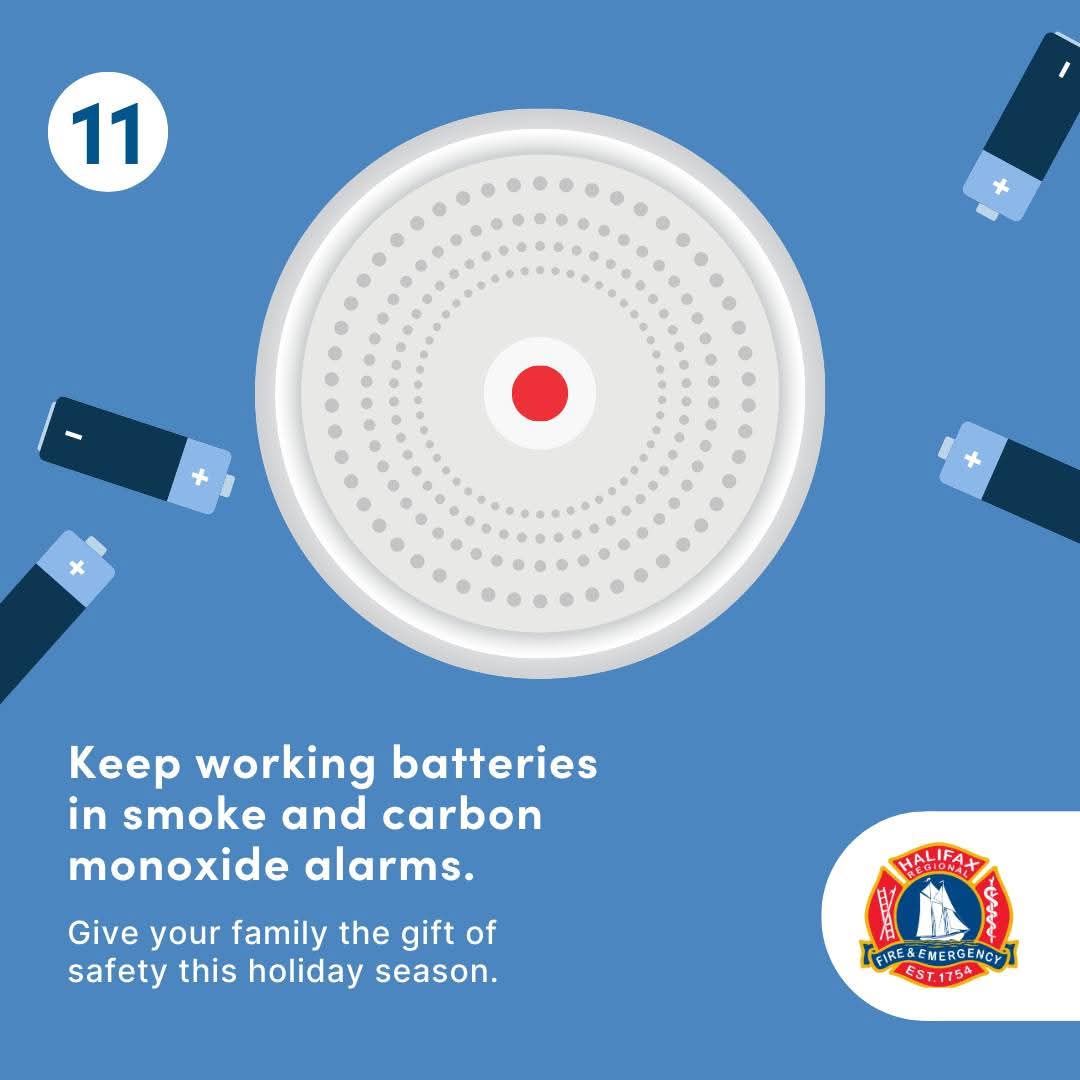
On the eleventh day of holiday fire prevention, your fire department reminds you to check your smoke and carbon monoxide alarms — only working alarms save lives

**** Via HRFE
On the eleventh day of holiday fire prevention, your fire department reminds you to check your smoke and carbon monoxide alarms — only working alarms save lives
• Install alarms on every level of your home and outside all sleeping areas.
• Test alarms monthly by using the test button to make sure they are working.
• Replace batteries every year (unless you have 10-year sealed alarm).
• Replace alarms every 10 years. Older alarms may not detect smoke or CO properly.
• CO alarms are essential if you have fuel-burning appliances, a fireplace, or an attached garage.
• Install alarms on every level of your home and outside all sleeping areas.
• Test alarms monthly by using the test button to make sure they are working.
• Replace batteries every year (unless you have 10-year sealed alarm).
• Replace alarms every 10 years. Older alarms may not detect smoke or CO properly.
• CO alarms are essential if you have fuel-burning appliances, a fireplace, or an attached garage.