**** NATURAL RESOURCES Release
Burn Restrictions Begin March 15
----------------------------------------------------------------
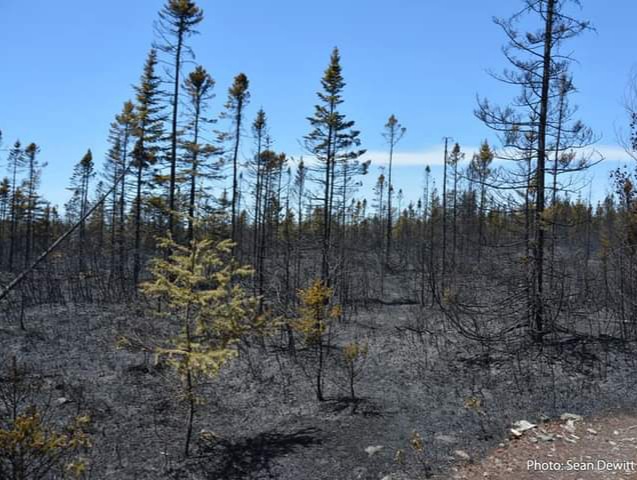
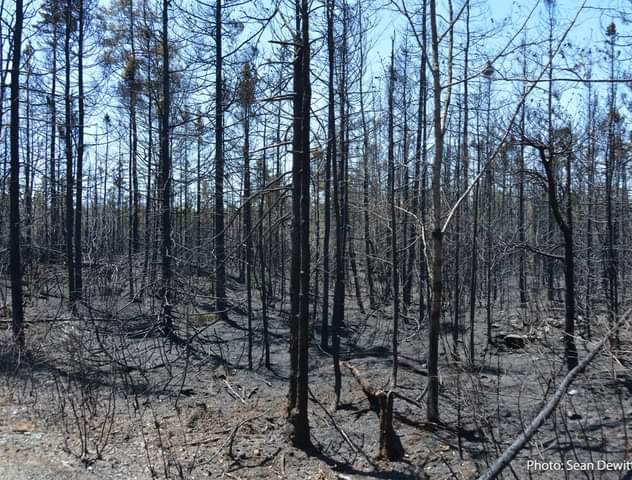
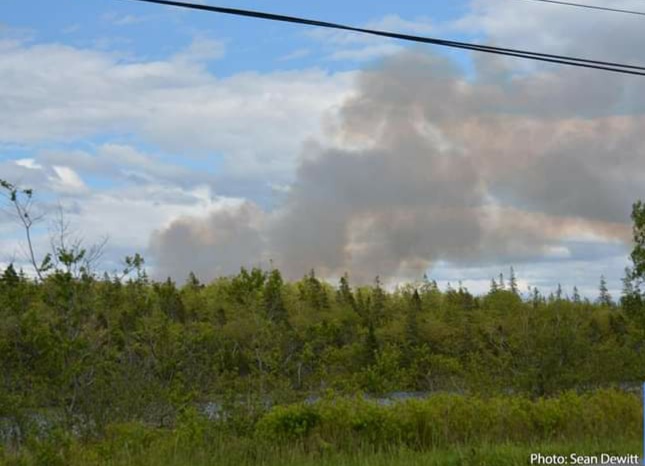
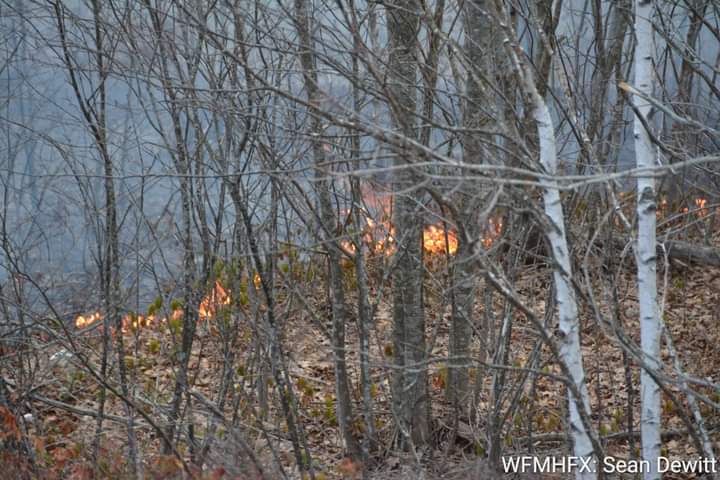
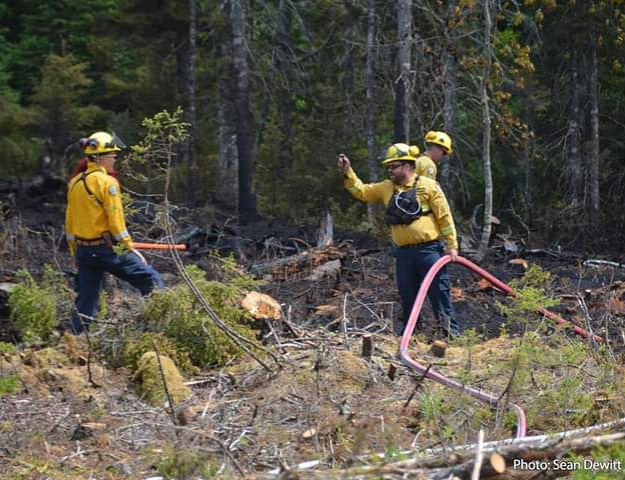
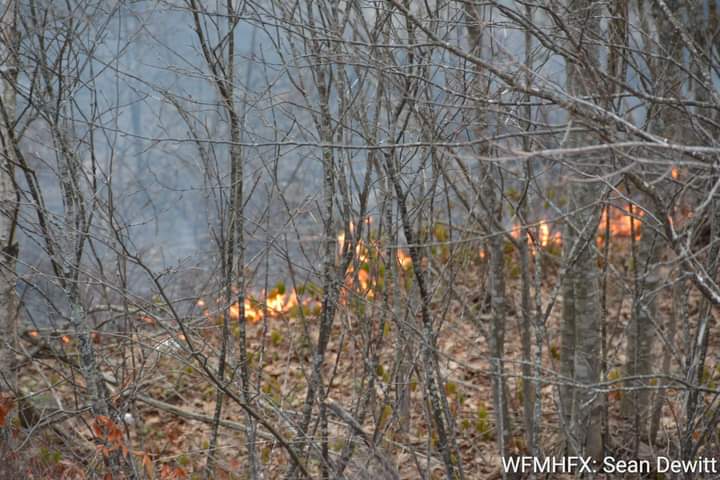
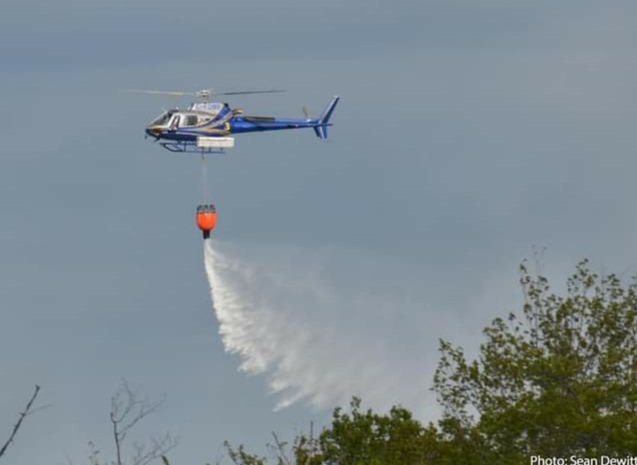
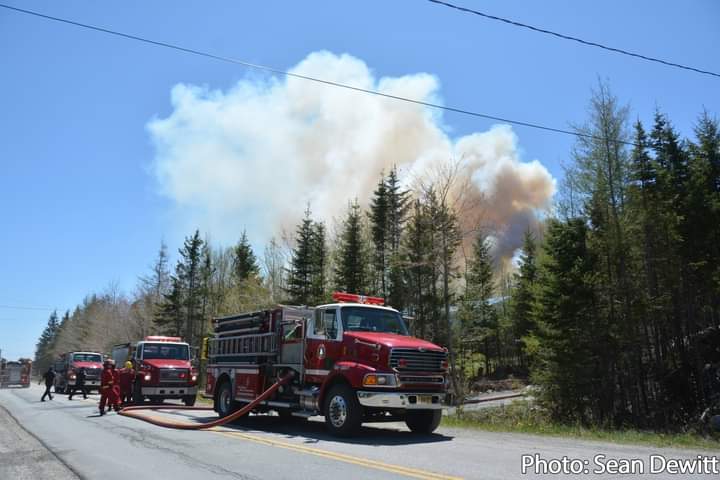
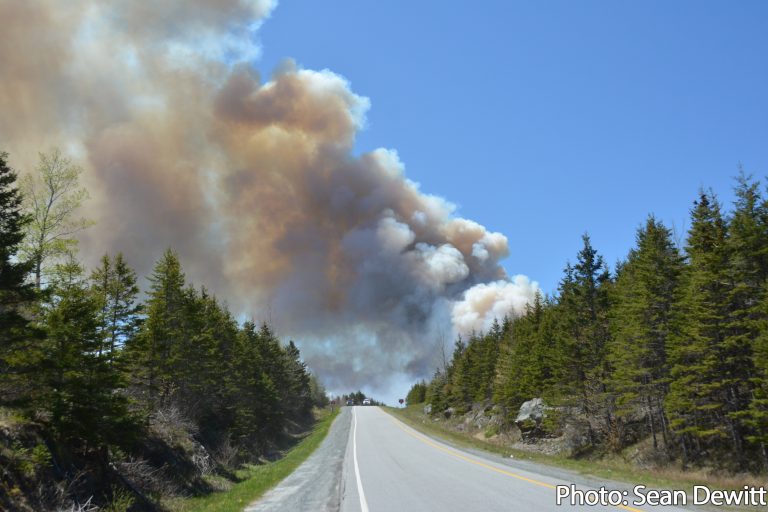
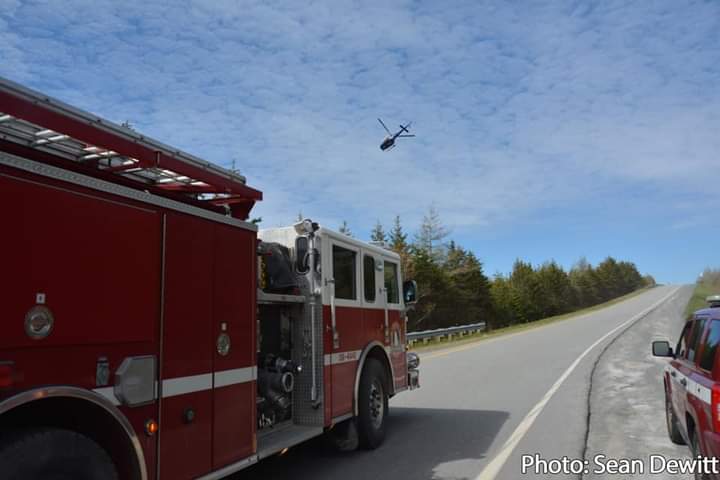
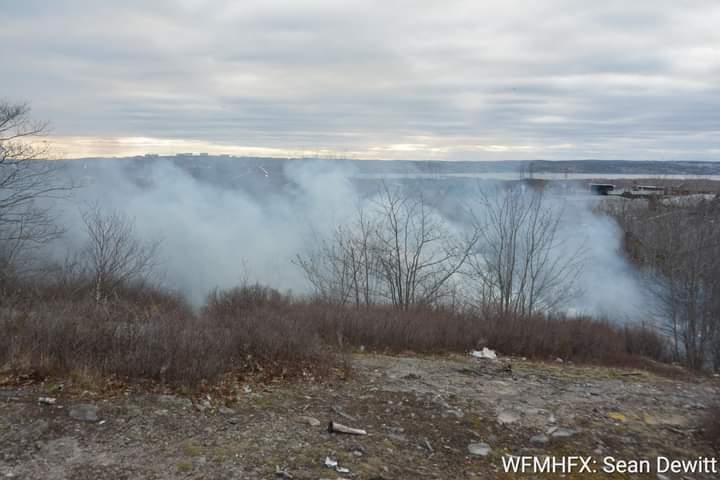
With spring approaching, the warmer and drier weather will increase the risk of wildfires. In 2021, provincial firefighters fought 113 wildfires covering 197 hectares across Nova Scotia.
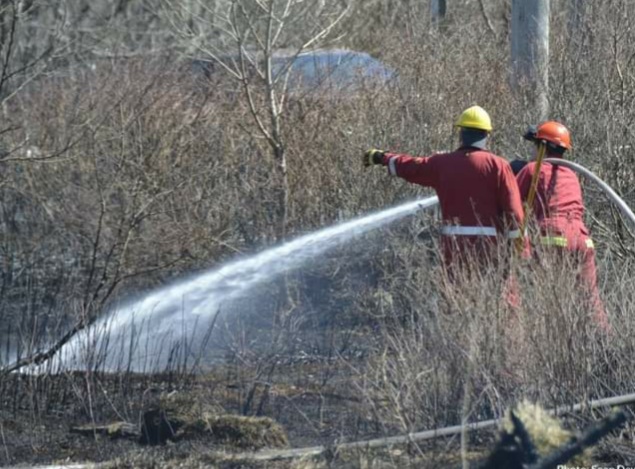
Provincial burn restrictions come into effect Tuesday, March 15.
"As a former municipal fire chief, I know prevention is the best way to reduce the risk of wildfires. Restrictions are in place for the safety of our homes and communities. Burning is only permitted when it poses the lowest possible fire risk," said Natural Resources and Renewables Minister Tory Rushton. "I encourage all Nova Scotians to check before they burn and follow safe and responsible burning practices for outdoor fires."
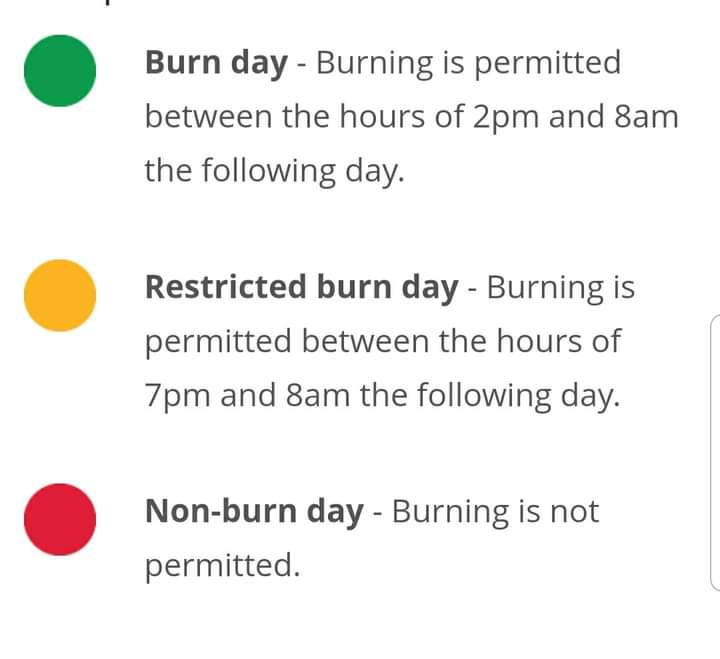
The BurnSafe map will be updated each day at 2 p.m. to show if burning is permitted that day. The burn restrictions will be indicated by the following:
-- if a county is shown in green, burning is permitted after 2 p.m.
-- if a county is shown in yellow, burning is permitted after 7 p.m.
-- if a county is shown in red, burning is not permitted that day.
The map will appear grey between 8 a.m. and 2 p.m. each day to indicate burning is not permitted in Nova Scotia.
The BurnSafe map shows provincial restrictions, which cover domestic brush burning and campfires. Restrictions do not apply to campfires in licensed private, municipal or provincial campgrounds with proper campfire facilities.
Restrictions are also available by recorded message by calling the toll-free phone line at
1-855-564-2876 (BURN).
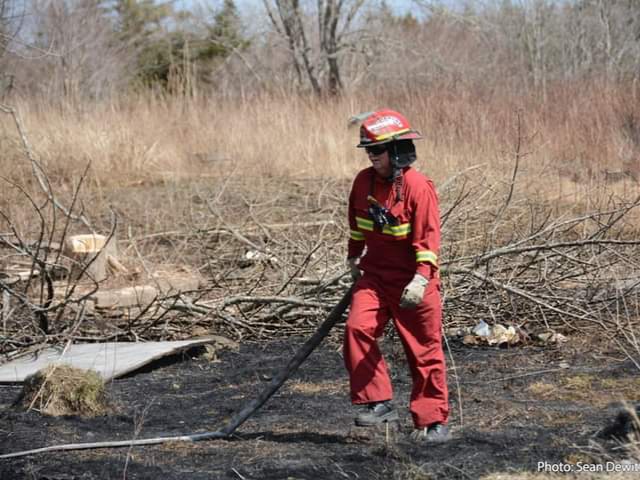
In an emergency, wildfires can be reported by calling
1-800-565-2224 or 911.
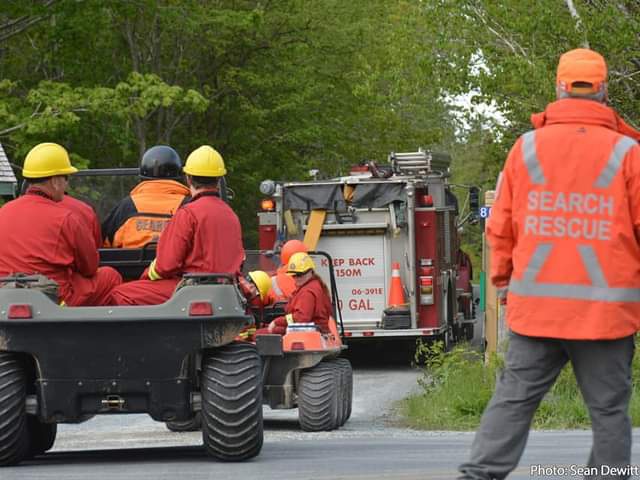
Quick Facts:
-- burn restrictions are in place each year from March 15 to October 15, when the risk of wildfires is highest
-- residents should check municipal bylaws before burning, as rules may vary
-- weather, temperature and humidity data are collected from more than 30 stations across the province daily to calculate fire risk and determine burning restrictions
-- industrial burning, which includes clearing agricultural land, clearing blueberry fields over two hectares in size, or burning brush piles larger than two by three metres, requires a permit from the Department of Natural Resources and Renewables
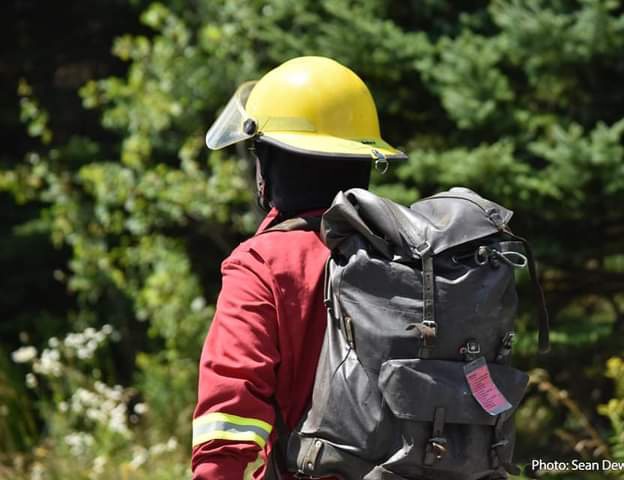
Additional Resources:
BurnSafe map:
https://novascotia.ca/burnsafe
Nova Scotia wildfire statistics:
https://novascotia.ca/natr/forestprotection/stats.asp
Frequently asked questions about burning:
https://novascotia.ca/natr/forestprotection/wildfire/burnsafe/Q-As.asp
Natural Resources and Renewables on Twitter:
https://twitter.com/NS_DNRR
**** HRM Media Release
Burning Rules and Regulations in HRM
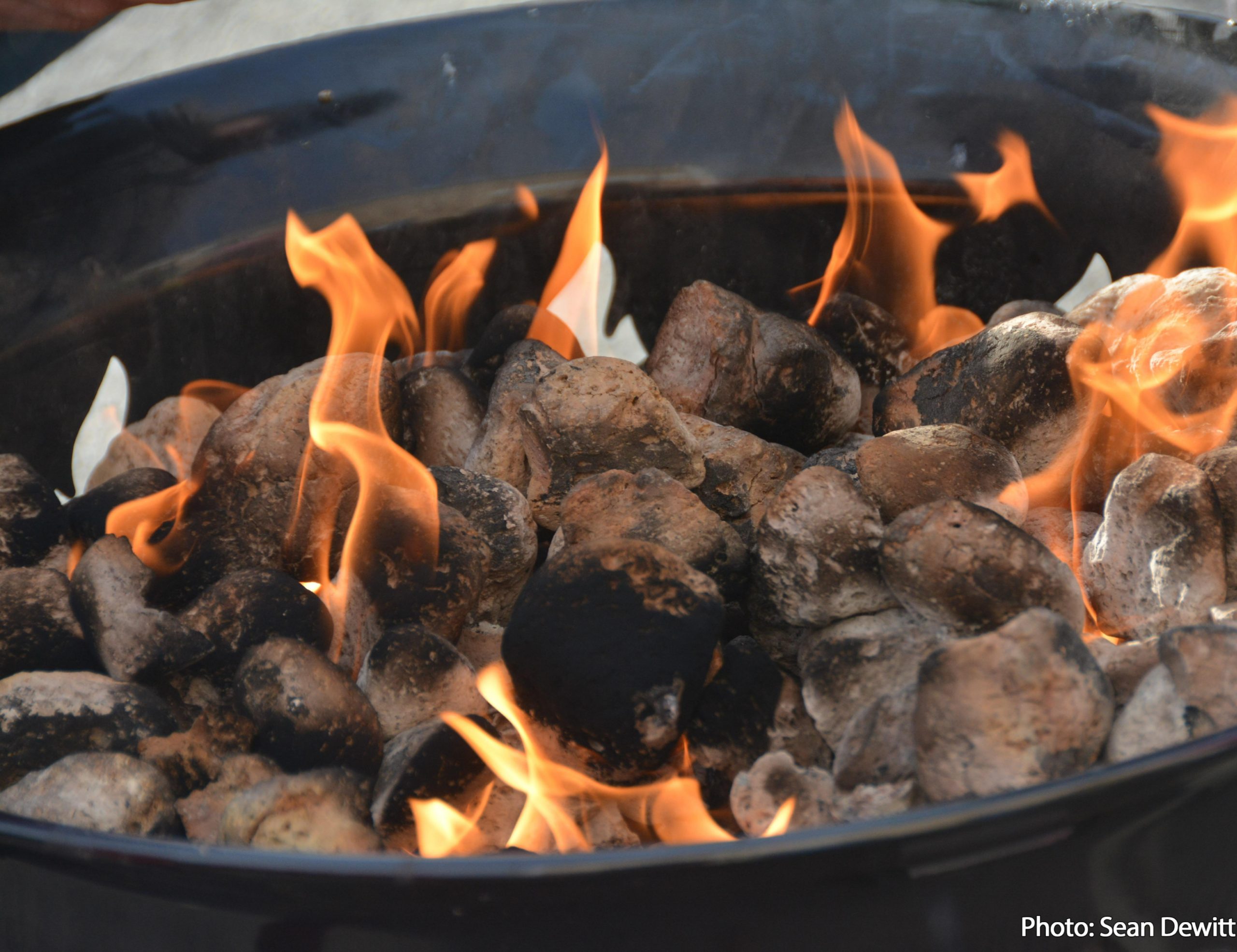
It is important to protect your home and community. Check out our
prevention page for some helpful tips or follow this
link for multi-language material.
Domestic Burning in a Permit Required Zone
If your property is serviced with both municipal water AND sewer, then you are in what’s described as a Permit Required Zone. Most of the urban/suburban lots in the municipality are located in a Permit Required Zone.
Permit Required Zone - Summer (March 15th – October 15th)
Burning types below are limited by the time of day. Time of day allowed in this category is
2 p.m. to midnight. The time of day may be further restricted by
provincial or municipal bans and you must check for bans every time before you burn. They are posted 2 p.m. every day. Please see "
Provincial / Municipal Bans" below to learn about bans.
 Domestic Burning
 (brush and tree limbs) is
prohibited
 Domestic Waste Burning
 is
prohibited and includes:
- leaf and yard waste including grass and grass clippings, twigs, and house and garden plants;
- box board including cereal, shoe, tissue and detergent boxes; and
- construction or demolition material, including saw dust, wood shavings, planking, siding, wood beams, plastic and rubber.
 Campfire Burning
 (0.5 metre diameter open fire) is
prohibited except in public or private campgrounds.
Outdoor wood burning appliances are
allowed without a permit if they meet the criteria in the By-law.
 Burning in propane or natural gas CSA or ULC approved appliance:
 These devices are not regulated under this By-law however all manufactures instructions must be followed. They are not subject to time restrictions.
Permit Required Zone - Winter (October 16th – March 14th)
All burning types below are limited by the time of day. Time of day allowed in this category is
8 a.m. to midnight.
Domestic Burning (brush and tree limbs)
allowed ONLY if :
- the fire is 23 metres (75 feet) away from any dwelling or accessory building;
- a person in charge of burning has a means to call 911 from site;
- at least two people nineteen (19) years of age or older are present;
- suitable equipment is in attendance to contain and extinguish the fire;
- wind velocity will not jeopardize the ability to control and contain the fire;
- a municipal burn permit is filled out and on site during burning; and
- the person in charge ensures all smouldering embers are completely extinguished prior to leaving the site
If you are in this category, note that achieving the setback distance is unlikely.
Domestic Waste Burning is
prohibited and includes:
- leaf and yard waste including grass and grass clippings, twigs, and house and garden plants;
- box board including cereal, shoe, tissue and detergent boxes; and
- construction or demolition material, including saw dust, wood shavings, planking, siding, wood beams, plastic and rubber.
Campfire Burning (0.5 metre diameter open fire) is
prohibited except in public or private campgrounds.
 Outdoor wood burning appliances
 are
allowed without a permit if they meet the criteria in the By-law.
 Burning in propane or natural gas CSA or ULC approved appliance:
 These devices are not regulated under this By-law however all manufactures instructions must be followed. They are not subject to time restrictions.
Domestic Burning in a No Permit Required Zone
If your property is
not serviced with both municipal water AND sewer, then you are in what is described as a No Permit Required Zone. Most of the rural lots in the municipality are located in a No Permit Required Zone.
In addition to the criteria above, the following communities are defined as No Permit Required Zones:
| Bayside |
Hubbards |
Prospect |
| Beaver Bank/Kinsac |
Hubley |
Prospect Bay |
| Big Lake |
Indian Harbour |
Queensland |
| Black Point |
Ingramport |
Seabright |
| Blind Bay |
Lewis Lake |
Shad Bay |
| Boutiliers Point |
Lower Prospect |
Sheet Harbour |
| Brookside |
Lower Tantallon |
Tangier |
| Cooks Brook |
McGrath's Cove |
Terence Bay |
| Dutch Settlement |
Meagher's Grant |
Three Harbours/Port Dufferin |
| East Dover |
Middle Musquodoboit |
Upper Musquodoboit |
| French Village |
Mooseland |
Upper Tantallon |
| Glen Haven |
Moser River |
West Dover |
| Glen Margaret |
Mushaboom |
White's Lake |
| Goodwood |
Musquodoboit Harbour |
|
| Hacketts Cove |
Ostrea Lake |
|
| Hatchet Lake |
Oyster Pond |
|
| Head of St. Margaret's Bay |
Peggy's Cove |
No Permit Required Zone - Summer (March 15th – October 15th)
All burning types below are limited by the time of day. Time of day allowed in this category is
2 p.m. to midnight. The time of day may be further restricted by
provincial / municipal bans and you must check for bans every time before you burn. They are posted daily at 2 p.m.
 Domestic Burning
 (brush and tree limbs)
allowed ONLY if :
- the fire is 23 metres (75 feet) away from any dwelling or accessory building;
- a person in charge of burning has a means to call 911 from site;
- at least two people nineteen (19) years of age or older are present;
- suitable equipment is in attendance to contain and extinguish the fire;
- wind velocity will not jeopardize the ability to control and contain the fire; and
- the person in charge ensures all smouldering embers are completely extinguished prior to leaving the site
Domestic Waste Burning is
prohibited and includes:
- leaf and yard waste including grass and grass clippings, twigs, and house and garden plants;
- box board including cereal, shoe, tissue and detergent boxes; and
- construction or demolition material, including saw dust, wood shavings, planking, siding, wood beams, plastic and rubber.