Traffic & Weather
Health And Wellness
Those winter temperatures are no joke, so here are some reminders about safe temperatures for dogs and cats!
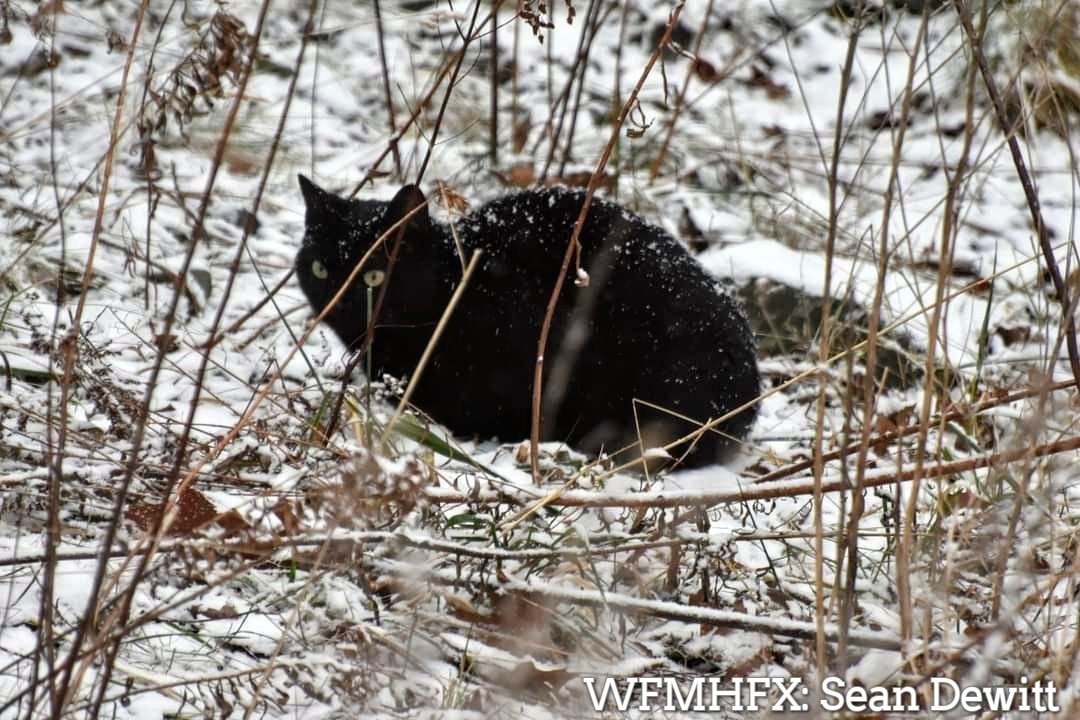
**** Via NS SPCA
Those winter temperatures are no joke, so here are some reminders about safe temperatures for dogs and cats!
Here’s what every pet parent should know:
➡️ Most dogs start to get cold around -5°C to -10°C, depending on coat type and size.
➡️ Small breeds, seniors, thin pets, and short-coated dogs feel the cold FAST and should have shortened walks when temps drop.
➡️ Cats should not be outdoors in freezing weather, they are at high risk for frostbite, even above 0°C if windchill is strong.
What about Huskies and Northern Breeds?
They tolerate cold better thanks to their double coats and body structure, but they still have limits. Even cold-loving dogs can get frostbite on ears, paws, tails, and areas of exposed skin. If they’re shivering, lifting paws, or trying to head home… they’re cold.
Quick Safety Guide:
✔️ Shorten walks when temps drop below -10°C
✔️ Avoid outdoor time below -20°C for all pets except for potty breaks
✔️ Watch for shivering, vocalizing, or lifted paws
✔️ Dry pets off if they get wet, moisture steals heat quickly
Keep winter fun, safe, and cozy!
And if you see a pet left outside in the cold, assess the situation, collect information, and contact the Nova Scotia SPCA at www.novascotiaspca.ca/animalcruelty/.